THE PALLIATIVE CARE NETWORK (PCN): A MODEL FOR LOCAL HEALTH CARE

The multidisciplinary nature of Palliative and Hospice Care makes health care integration and local government support an important facet in improving the health of the people.

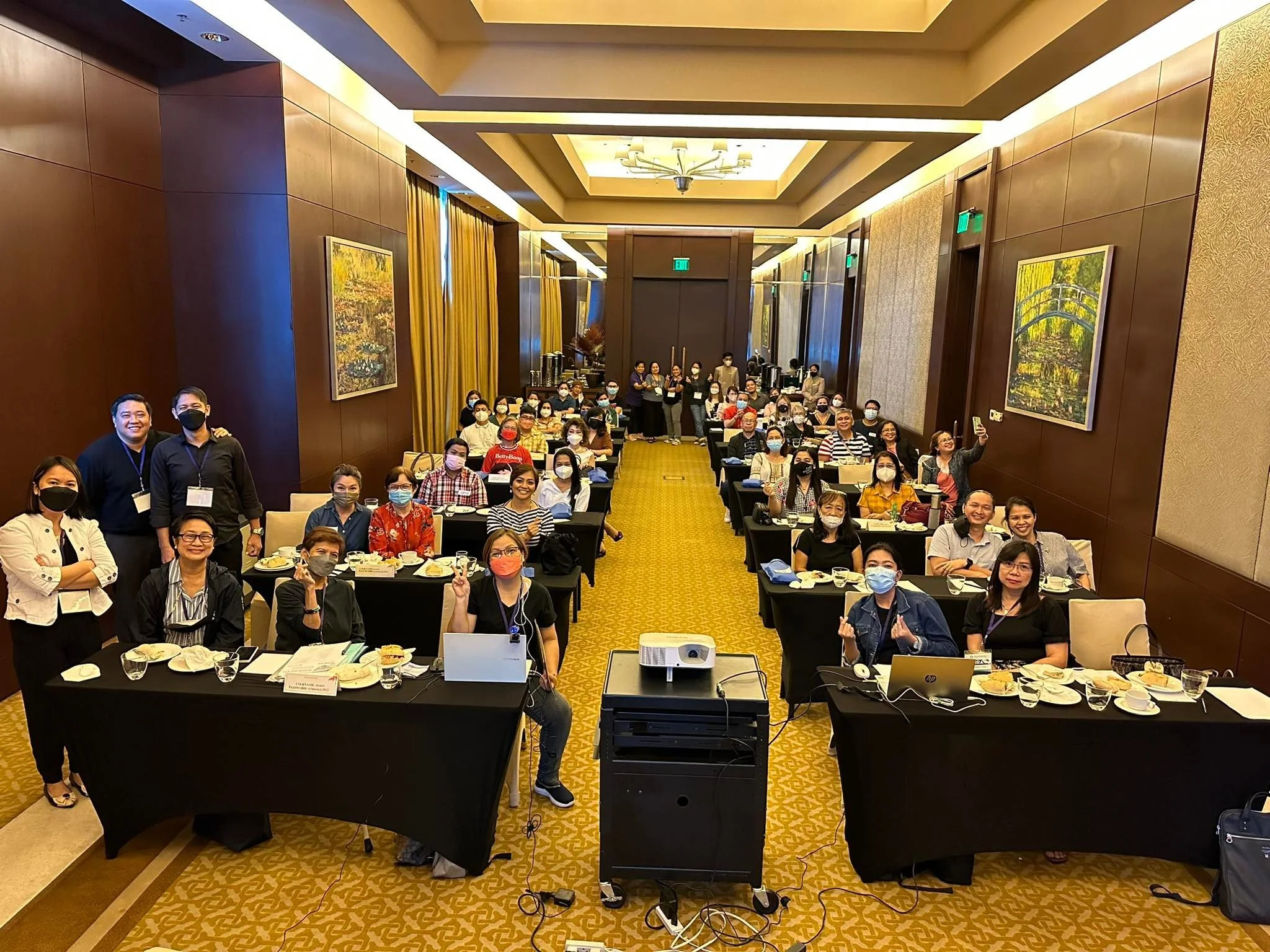
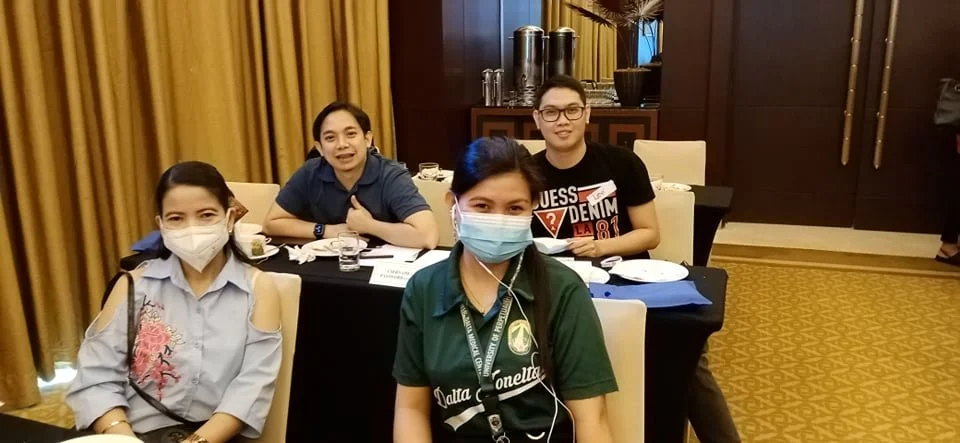
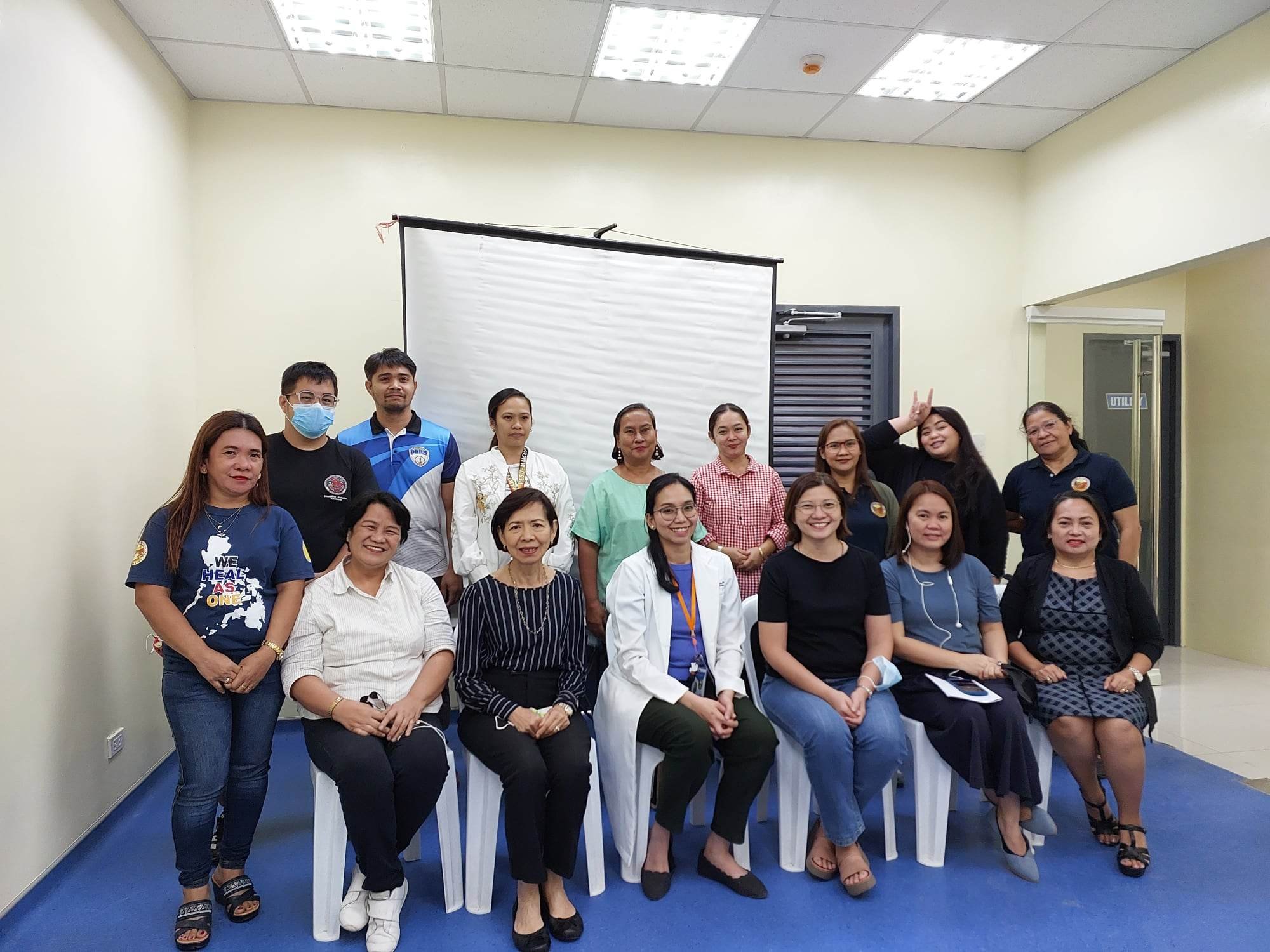
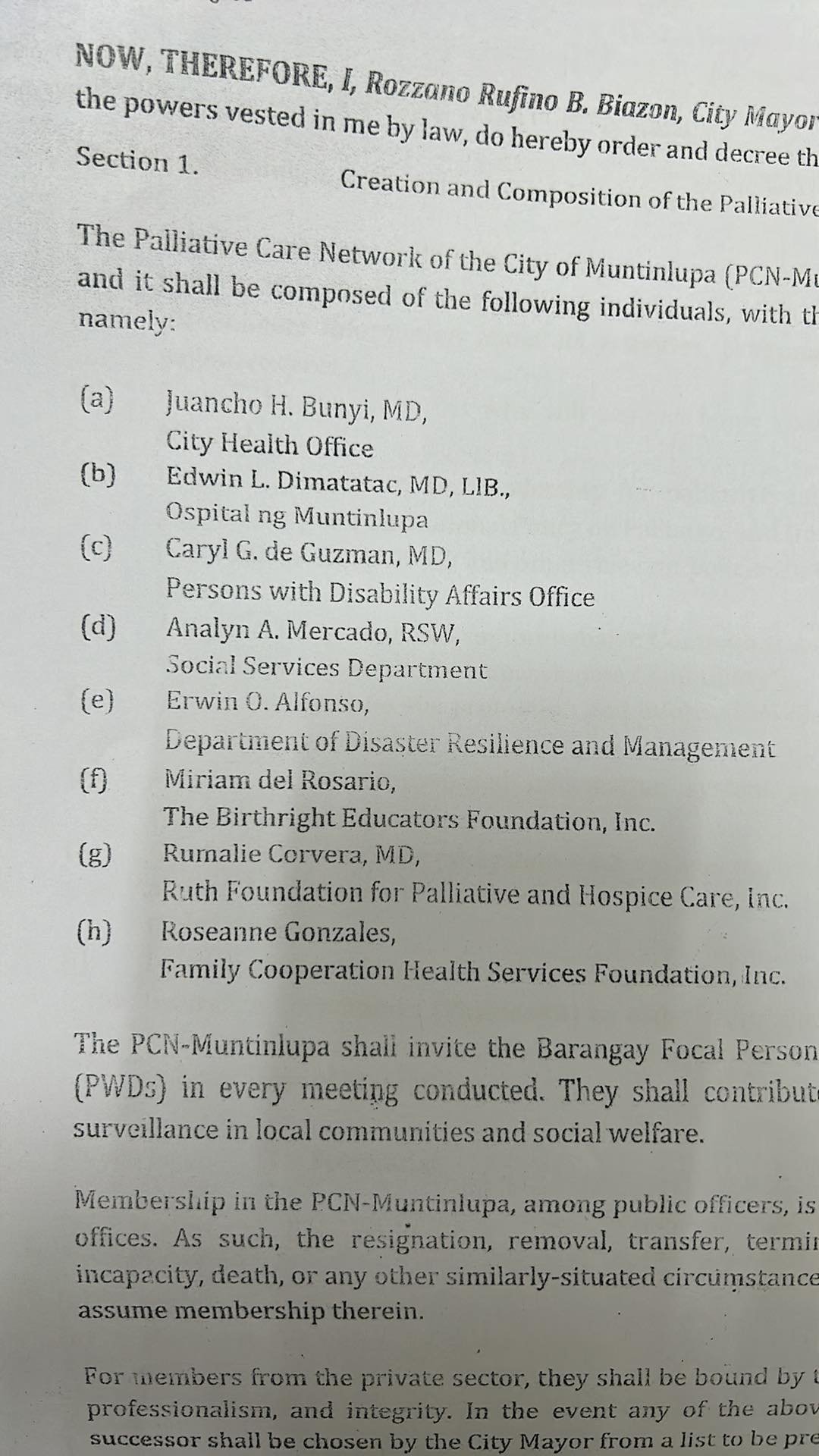
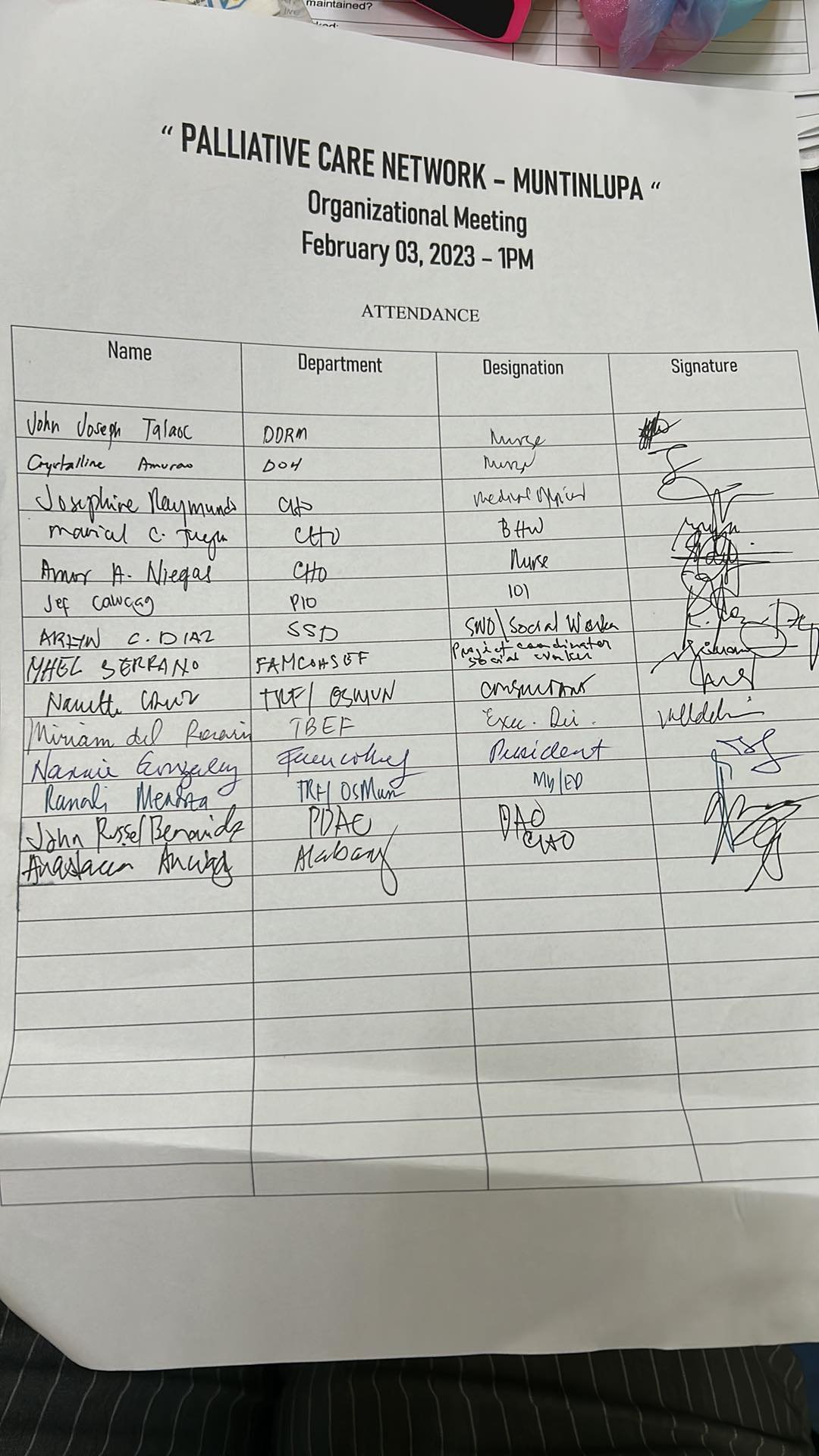
With the aim of providing health programs on primary health care, the City of Muntinlupa, in partnership with The Ruth Foundation for Hospice and Palliative Care (TRF), has created the Palliative Care Network (PCN). As approved by Muntinlupa City Mayor Rozzano Rufino “Ruffy” Biazon, PCN-Muntinlupa will be headed by its Chairperson, Dr. Juancho Bunyi (City Health Officer) with the participation of TRF CEO Dr. Rumalie Corvera, as one of its members.


PCN Muntinlupa will act as a sounding board for the provision of palliative care services in the city. Activities, programs, and training related to palliative care are expected to be put into place. It is also imperative that patient visits be conducted at home for those without the capability to travel to healthcare facilities.


To build a compassionate community rooted in scientific processes, PCN will also push for more evidence-based research on hospice and palliative care that will be published in peer-reviewed journals. The referral system is also going to be streamlined to create a more viable network for care provision and to lessen the stress of caregivers and families when trying to access care for their relatives with chronic illnesses. This will also be lined up with the comprehensive benefits package for Palliative Care in the Philippine Health Insurance Corporation.

The outcomes that can be expected from this network are immeasurable. It may not produce income, but it will create a more productive workforce that can focus on its economic needs instead of worrying about where to bring a relative who needs palliative care. A compassionate community encourages more empathy among its constituents, rekindling the “bayanihan” spirit of the Filipino where neighbors and friends help out in whatever capacity when someone is in need. Government officials would find more purpose in their activities, seeing that they make a difference in the lives of their constituents through hospice care. Businesses would create more socially relevant projects for palliative care and contribute their resources to generate goodwill. Religious leaders would find in hospice and palliative care a way to live out their teachings and provide counselling and support for those in distress.

In due time, PCN hopes that it can create a template that can be duplicated in other cities and municipalities. The Universal Health Care Law aims to provide Filipinos access to quality and cost-effective care. With proper planning, resource allocation, sound leadership, and determination to succeed, even those without the means to afford medical services can be given a life filled with dignity and hope. Local governments would also be able to instill a culture that is rooted on healthy lifestyles, disease prevention, and scientific management of disease and illness.

We would like to congratulate the City of Muntinlupa and The Ruth Foundation for its participation in this network. It is part of every individual’s vision to live a life that cultivates care and compassion. In the end, it is what makes us human. No amount of success and wealth can ever compensate for neglect at home and in the community we live in. Every man or woman is meant to look after each other in times of need.
WHAT BIRTHDAYS MEAN

“We never knew what happened on the day we were born. But it was documented. And we believe that someone took care of us, because we are here today.”


Happy New Year everyone! With a new year comes a new birth. We are filled with optimism for what is in store. Perhaps, we can also look back on our own birthdays and rethink our lives and goals.


It was a day we never knew, but it is part of us. On that day, we came into this world, helpless human beings, totally dependent on those around us for continued survival. We made it through those times until we reached independence.


Anyone who has had a chance to take care of someone who is totally dependent knows what kind of responsibility it entails. The caregiver can no longer plan for themself alone. In fact, there is a selfless disregard for one’s own needs and wants in order to fulfill another person’s requirements. Food, sleep, and recreation will all be sacrificed to find joy in helping other human beings reach their potential.  The realization of the potential may take years, but it is worth the wait.


We never really knew what was happening during those first few years of our life. I lived in a day and time when taking photos was reserved for special occasions, unlike today. Technology and the internet have enabled some to document daily life events, complete with photo and video coverage, for the future adult to probably appreciate. Nevertheless, the circumstance of helplessness is similar. We had to put our trust in adults during those early days. They could have left us alone, but we were nurtured.

Our birth and death are intertwined events. On the day someone dies, someone is born too. We exist in a continuum, but it has an end, which will signal someone else’s beginning. Throughout time, those who are alive today have been affected in some way by those before them. The baby boomer who took care of a Gen X infant may have passed on experiences that now influence how the Gen Xer takes care of Generation Z. There may have been some changes depending on how one perceives the future. The Gen Xer may have resented the discipline of Baby Boomer parents, who were nurtured by very strict Pre-war parents. Thus, the Gen X adult will make adjustments to make sure the Gen Z child does not have a similar experience.


To say that a new year, or a new birth, will mean new experiences and changes is predictable. But those changes are shaped by the past. And that past may have had a perceived ending, but it actually lives on.


Birthdays mean that because we are here, we have to make the most out of what we are. We must be grateful to those who helped us in the past. And we must make an effort for those who are already nearing the exit, for we will get there too. But while we are here, we lay the foundation for the continuum of care and nurturing.


We trusted those who took care of us when we started. When we reach the end, we hope we have planted the seeds for us to be cared for when we reach the end of our days.

A FOOD GUIDE FOR THE HOLIDAYS

Enjoy the food, but never overindulge.

It’s Holiday Season again! From parties to get-togethers, family reunions, and corporate events, we have learned to enjoy this moment after the pandemic – despite the return of traffic congestion and the inevitable Christmas rush. The sociable human has found a way to return to its old ways, dancing through the extravagance and merrymaking with the hope of having something left over for the New Year.

Celebrations are not complete without food. But as in everything, one must practice moderation. There is a term coined by medical practitioners called Holiday Heart Syndrome. This refers to the arrhythmia experienced by those binging on alcohol during these times. The heart exhibits atrial fibrillation, an abnormal rhythm that can result in death. This can happen even in those individuals who have no history of heart disease.

Another dietary habit that we must observe is proper hydration. We forget that water is still the best fluid for keeping us hydrated. Sugary drinks may be more palatable, but these may overwork our vital organs such as the liver and kidneys particularly if we have diabetes or impaired glucose tolerance. Thirst may also be manifested as hunger, so being hydrated reduces our desire to eat. 

Raw foods, while palatable for some, poses its dangers, particularly if its sources are unknown. Cooking reduces the possibility of food contamination, so if one prefers to eat uncooked food, it must be ensured that it is prepared well. In buffet tables, there is always the risk of spreading food-borne diseases particularly if food is not kept hot or cold. It would be an advantage to come early to the buffet table, when most diners have not yet partaken of the feast. 

To create good balance in one’s meal, two to three servings of green leafy vegetables and fruits daily is a must. Fruits and vegetables are packed with essential nutrients, and have less calories. As in most cases, if one is not a vegetable eater, you could start small, with side salads added to at least one meal and go on from there. While high-protein foods increase satiety, the high fat content could possibly be a problem especially when it comes to cardiovascular risk.

Finally, make sure to go easy on refined sugars. Desserts are aplenty, and it is easy to gorge on these as they can increase meal satisfaction. However, the risk of obesity and Type 2 Diabetes lurks in the horizon. I never advise my patients against eating sweets – in fact, I am not one to restrict food groups altogether.  What is more important is moderation, taking in small portions, and enjoying food.  

It is not a good idea to spend time in an emergency room during the holidays. Not only is it potentially congested – the doctors manning the posts at this time are usually newbies as the experienced physicians are on vacation. So if you can avoid it, avoid the hospital at all costs.

Lifestyle diseases are preventable and modifiable.

Enjoy the holidays! And never forget the true reason for the season. Celebrate and share, for to truly eat live, and be merry, we must satisfy others, not just ourselves.


REFERENCES:

Tonelo D, Providência R, Gonçalves L. Holiday heart syndrome revisited after 34 years. Arq Bras Cardiol. 2013 Aug;101(2):183-9. doi: 10.5935/abc.20130153. PMID: 24030078; PMCID: PMC3998158.

Photo courtesy of Dr. Raymond Cruz

A COLLABORATION OF HOPE

Compassion has no start and no end. It is a continuing process whose effect is felt for generations to come.

To cure sometimes, to relieve often, to comfort always.” This famous quote came from the late 19 th century as coined by Edward Livingston Trudeau, founder of the famed tuberculosis sanitarium at Saranac Lake in New York's Adirondacks. It is the guiding principle for the establishment of The Ruth Foundation for Palliative and Hospice Care (TRF). We may not be able to save all patients, but there is a constant service we can provide – comfort and care.


In its humble beginnings nearly ten years ago, TRF partnered with its surrounding community in Muntinlupa. From geriatric patients, it also caters today to patients from all age groups. With this comes the realization that we need to expand the palliative and hospice care service. With the establishment of the Universal Health Care Law, the vision is to provide TRF’s services to all communities in the country. No one will be left behind.


Utilizing the power and reach of the internet and other technologies, TRF launched among care providers the Palliative Collab project. It aims to provide information to all palliative and hospice care providers to connect with patients. Both private and public partnerships will be enhanced so that we can become good providers of end-of-life care, and symptom management would hopefully become accessible to everyone. Care providers will be accredited, and these partners will be empowered to make the Philippines a model of compassion in the future.

The Ruth Foundation for Palliative and Hospice Care (TRF) Founder, Dr. Rumalie Corvera, discusses the vision and mission of TRF and its plans for the future.

The PalCollab project as explained by Dr. Corvera will become the prototype for the provision of palliative and hospice care. It still has a long way to go, and admittedly, it is an ambitious project. The initial 3-year timeline that includes the provision of tele-consults and volunteer networks will be expanded from its home base in Muntinlupa. The gathering of palliative care providers is an invitation to participate in the project and enkindle the compassion that has made Filipino caregivers world-renowned for their hospitality.

TRF Executive Director, Dr. Rana Mendoza, explaining the PalCollab project to the Palliative and Hospice Care providers in the Country.

Is the provision of palliative and hospice care limited to those with medical training? Dr. Mendoza mentions that the answer is no because the project will also need – among others - information technology specialists, artists who can teach crafts, administrators who can organize events, or ordinary individuals with the inclination to comfort and visit the sick. Everyone has a role to contribute to lifting the spirits of those who have health issues. The possibilities are limitless.

TRF Director for Patient Care Services, Dr. Nanette Cruz, introduces the members of the PalCollab team. It includes physicians, nurses, caregivers, social workers, pharmacists, psychological and spiritual support providers, and various volunteers and staff.

The services provided by PalCollab will include medical and nursing services, physician and institutional referrals, counseling, institutional training, medication and supplies procurement, financial sourcing, volunteer training and empowerment, and outsourcing of caregivers, among others. For more details, please visit the website www.ruth.ph/palcollab

BEREAVEMENT

Our existence is a series of gains and losses;

Celebrate both as a part of life.

For we cannot wallow in grief all the time,

Just as we must not be content with past success.

Every journey is a series of ups and downs. It is normal and automatic for us to celebrate the attainment of goals, and to highlight milestones in our lives. Just look at social media — how many posts do we see among our friends showing the birth of a child, the awarding of a degree, or the victorious podium finish in a competition? We often see positive comments on these and urge them to do more. In contrast, comments on losses and failures are short, as if we are afraid of harming sensibilities. This might discourage people from sharing these sad moments, creating a vicious cycle that may exacerbate unexpressed loneliness.


Today, The Ruth Foundation for Palliative and Hospice Care shares with us how we can deal with loss and treat it as a part of our personal growth. The program entitled “Good Grief: Healing Hearts and Communities Through Bereavement Care” highlights testimonies and experiences that will encourage us to speak up and move on. Stories of loss, survival, support, and even heroism in the midst of struggles are interspersed with beautiful anecdotes that will convince us that the inevitability of loss is an opportunity for upliftment. I saw cries with smiles, and while looking back was filled with pain, hope is never lost.


Is there a secret to good grief? Does time heal wounds? Hearing from the experience of others, there is really no definitive timetable that can be established for moving on. Pain can remain for years even if the grieving survivors have regained functionality in their lives. This tells us that it is not the complete absence of pain that is important – rather, it is the strength of character that loss instills that makes bereavement important. And in all of this, we need each other. A community that cares allows us to have the energy to physically, mentally, and emotionally deal with the challenges of change and the courage to share the learnings later on.


A number of myths were also debunked in relation to bereavement care. Suppressing the pain to heal faster was mentioned as a myth, for it actually prolongs the agony when the reason for the pain is not addressed. We may exhibit a strong front, but external manifestations of strength by showing indifference can give those around us mixed signals about how we really feel. It is not, however, mandatory that we release those emotions publicly, for we all have different ways to grieve. As long as the method of grieving does not damage or compromise one’s future, personal coping measures must be respected and honored.

Our gratitude goes to those who contributed their time and expertise to this endeavor, led by The Ruth Foundation Founder Dr. Rumalie Corvera, Director for Training Dr. Mark Joseph Mendoza, Palliative Care consultants Dr. Ara Ofina and Dr. DJ Pedro, Spiritual Care Provider Pastor Spencer Gequillana, Social worker Lira Tañamor, and Counseling Specialist Cottie Del Rosario. Executive Director Dr. Rana Mendoza spearheaded the affair, which was held at the Crimson Hotel in Alabang and shared virtually via the Zoom platform with its 41 participants.

Congratulations to The Ruth Foundation and thank you to all the participants!

Should We Be Concerned About Profiting In Hospice Care?

The hospice care industry may not be profitable in the Philippines now, but it could potentially become a lucrative service. Must we be concerned?

In business, a quick profit is always attractive. Whatever industry you are in, the allure of easy money always exists. It may not always be moral or ethical at times – more often than not, a get-rich-quick-scheme has few big winners and more big losers. But if it is in the industry of health care, specifically hospice care, it could present serious issues.

Dr. Joan Teno of Brown University School of Public Health in the United States, whose work has focused on end-of-life care, is one of those practitioners who have raised red flags about paid hospice services. “I’m very concerned that you’re harming not only the dying patient, but the family whose memory will be of a loved one suffering because they didn’t get adequate care.”

Hospice is a relatively easy business to start. At present, not many health care businesses are into it, because payments are usually out-of-pocket, and all services that are covered by the health insurance system require hospital admission.  Hospice care can be provided at home and using lower-cost health workers, who can work longer shifts. This may allow the entry of smaller hospices, launched with the intent of profiting within a few years. Coupled with the sale of pharmaceutical drugs and equipment, a hospice care provider can potentially have steady clients with a regular cash flow.

The scary thing, however, is that not all of those entering the hospice market have the best intentions.

An aging population is a huge market for hospice care, but this segment of the society can be prone to abuse. Even if someone has deep pockets, the constant drain on resources could render someone bankrupt sooner or later if expenses are not checked. There may be a need to enact new laws for these services to streamline the practice and discourage unscrupulous businessmen from racketeering.

This has been the case in certain countries where the government covers for hospice care. If oversight is limited and payouts become generous, there could be private services who will take advantage of the constant income stream. Reports show that some of these industries provide shoddy service and charge a premium. More hospice providers will accommodate inquiries and clients, but they might be unable to spend more time with patients if needed. A study found that patients in for-profit hospices see doctors less often presumably to cut costs. In an analysis of federal data from 2014 to 2017, it was noted that profit hospices were less likely to have received any hospice visits in the last three days of life.

For-profit hospices also enroll a different set of patients, preferring those likely to remain in hospice longer. Most costs are incurred in the first and last week of hospice care. Patients who enroll in hospice must undergo several assessments to develop a care plan and set their medications. In their final days, as the body begins to shut down, patients often need additional services or medications to stay comfortable. Thus, when profits become a priority, screening becomes more important.

In this regard, one of the profitable cases that a hospice care provider can have is dementia. These patients will not die soon, but they will need constant attention to improve quality of life. They are also prone to all kinds of abuse, as their limitations make them dependent on care providers. Unlike cancer patients whose remaining days may be numbered, dementia patients may survive for years with the same needs and medications. Thus, there is no need for a service provider to constantly go searching for patients. The system might become discriminatory when this becomes common practice.

One must understand that hospice care is not easy. It requires some emotional involvement and yet, you must not bring the stressor home with you on your day off. You must have the patience to wait for patients when they take medications, and yet most of them may not realize a cure. It goes against the messianic complex of some care providers – you cannot save your patient, and yet you must still care.

Hospice Care providers are here to stay, and with an aging population, we must find ways to strengthen this segment. It is not bad to make a profit along the way, as it is actually necessary to sustain the service. Non-profit organizations might not be enough to serve the needs of the populace. Let us all work together to learn more about hospice care so that we can all benefit once we or our relatives need it.

REFERENCE:

Hospice Medicare Margins: Analysis of Patient and Hospice Characteristics, Utilization, and Cost - By Carol BazellMelissa A. CaplenWilliam CoatesPamela M. Pelizzari, and Bruce S. Pyenson (25 November 2019)