
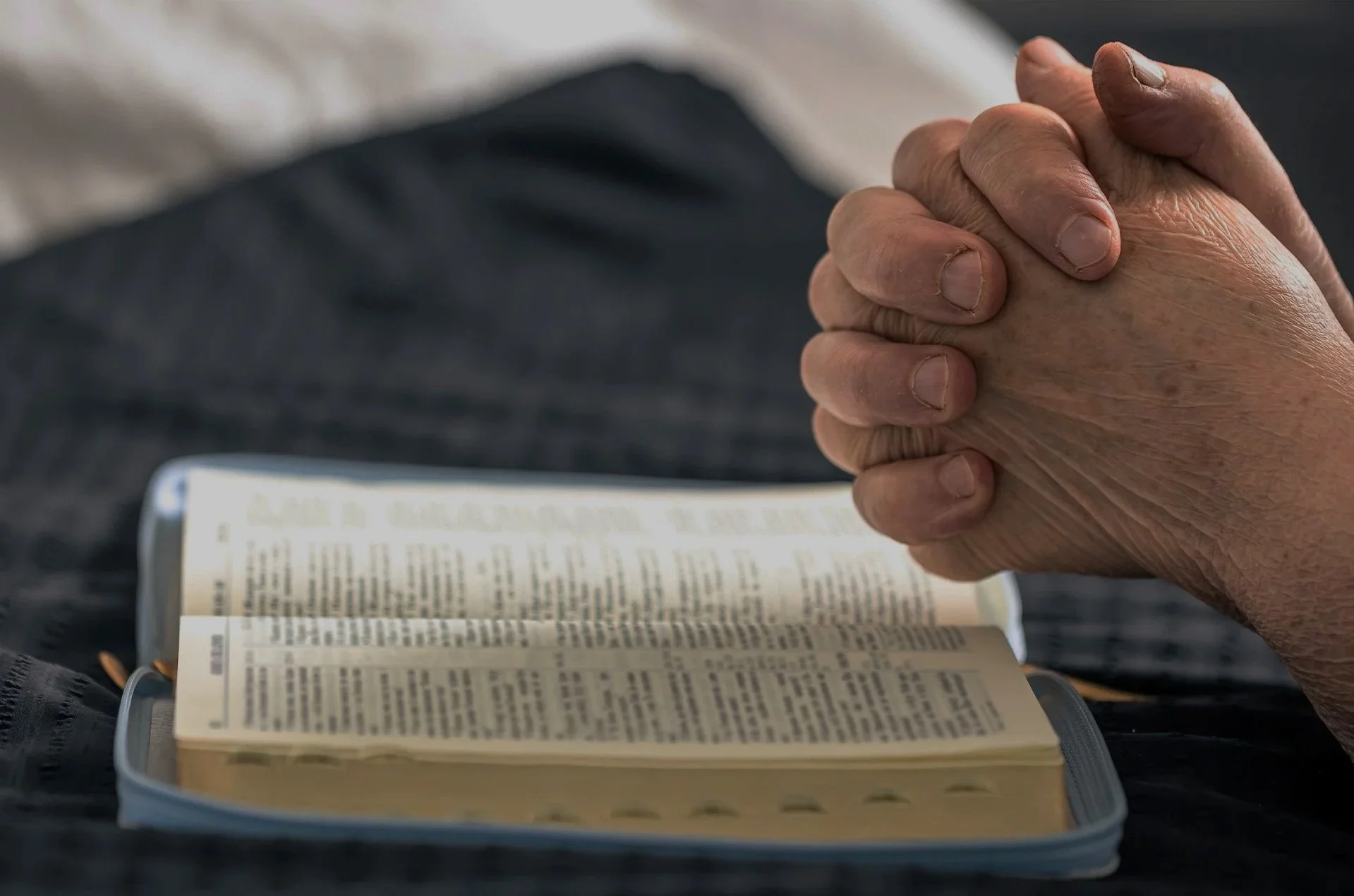
"Lord, teach us to pray just as John taught his disciples."
When I read the passage in Luke 11:1–4, where Jesus teaches His disciples how to pray, I am always struck by how profound and simple the Lord’s Prayer is. In those few verses—“Father, hallowed be Your name, Your kingdom come. Give us each day our daily bread. Forgive us our sins, for we also forgive everyone who sins against us. And lead us not into temptation”—Jesus provides a model not only for prayer but for living. It teaches humility, dependence on God, forgiveness, and moral guidance. And when I look at the faith of the Filipino people and how it connects with our political and health systems, I realize that this prayer still speaks directly to our collective struggles and hopes as a nation.
As a Filipino, I have always admired the deep spirituality that defines our people. Faith is woven into our daily lives—we begin meetings with prayers, thank God for the smallest blessings, and invoke divine help in times of crisis. Even in hospitals, I often hear patients whispering prayers before surgery or clutching their rosaries during chemotherapy. Our faith gives us strength. Yet, it also reveals a paradox: while our people are among the most prayerful in the world, we continue to suffer from weak governance, corruption, and an inequitable health care system. This paradox makes me reflect more deeply on how the message of Luke 11:1–4 could transform not only personal faith but also our collective responsibility as citizens and leaders.
When Jesus said, “Your kingdom come,” He was not referring to a distant heaven but to the realization of God’s justice and mercy here on earth. For me, that means we are called to make God’s kingdom visible in our communities—through compassion, fairness, and service. Unfortunately, in the Philippines, faith is often separated from governance. Many of our political leaders publicly profess belief in God, yet their policies and actions frequently contradict the moral values they claim to uphold. We see public funds misused, hospitals underfunded, and health workers overworked and underpaid. In many ways, our national “kingdom” has been built not on God’s will but on human greed.
Still, I cannot lose hope. I believe the Filipino people’s strong faith has the power to transform our politics—if that faith becomes active rather than passive. The Lord’s Prayer teaches us to depend on God for “our daily bread,” but it also reminds us that bread must be shared. If we truly lived this prayer, we would see health care not as a privilege for the rich but as a shared responsibility. We would demand from our leaders the same compassion that Jesus modeled. We would ensure that no child dies because a rural clinic lacks medicine, and no mother goes untreated because she cannot afford a hospital bill.
In my experience, the phrase “give us each day our daily bread” also applies directly to the health of our nation. In the context of health care, “daily bread” is not only food—it represents the basic necessities that sustain life: nutrition, clean water, safe shelter, and access to medical care. Yet, millions of Filipinos still lack these essentials. Our public hospitals are overcrowded, and patients sometimes share beds or sleep in hallways. Rural health units often have one doctor for an entire municipality. Despite all this, our people remain patient and hopeful, often saying, “Bahala na ang Diyos” (“Let God decide”). While this surrender reflects humility, it can also breed passivity. We must remember that faith without action is incomplete. God provides the bread, but He also calls us to bake and share it.
“Forgive us our sins, for we also forgive everyone who sins against us.” This line, I think, is especially relevant to our political culture. Forgiveness is a noble virtue, but when taken to extremes, it becomes a tool for complacency. Many Filipinos quickly forgive political leaders who fail them, often voting them or their relatives back into office despite repeated scandals. Our ability to forgive is beautiful, but it must be coupled with accountability. Jesus forgave sinners, yes, but He also demanded repentance and transformation. If we applied the same principle to our governance, perhaps our leaders would be less likely to repeat the same injustices that weaken our health system and society.
Forgiveness must inspire reform, not forgetfulness. In healthcare, this means acknowledging past failures—such as mismanaged pandemic responses or misallocated budgets—and learning from them. It means calling out corruption in the Department of Health or in local government units that divert funds meant for medicines. It means ensuring transparency in PhilHealth, a program that was designed to help the poor but has often been plagued by controversy. Faith demands both mercy and truth. As Jesus taught, the two must never be separated.
The final line, “And lead us not into temptation,” is a reminder for everyone—leaders, doctors, and citizens alike. The temptation in politics is power; in governance, it is self-interest; in health care, it is profit. When hospitals prioritize earnings over healing, when leaders accept bribes, or when health workers lose compassion due to burnout, we stray from God’s path. Yet, when faith guides our conscience, integrity becomes possible even in a broken system. I believe that every doctor who chooses to serve in a remote barangay, every nurse who stays in the public sector despite low pay, and every policymaker who pushes for universal health care is living out the meaning of that prayer.
In reflecting on Luke 11:1–4, I realize that the prayer is both personal and political. It is a call to spiritual renewal that should ripple outward into society.
“The Philippines, with its deep Christian roots, has the moral and spiritual resources to reform its institutions. But we must move from faith as emotion to faith as action. We must recognize that prayer is not a substitute for policy; it is the foundation for justice. True prayer transforms the heart, and transformed hearts can build a just nation.”
As I look at our country’s healthcare system, I dream of a day when the Lord’s Prayer is not just recited but lived. “Give us this day our daily bread” could mean universal access to nutrition and medicine. “Forgive us our sins” could mean an honest reckoning with corruption. “Your kingdom come” could mean health equity, where every Filipino—whether rich or poor, from Luzon or Mindanao—has the same opportunity to live a healthy life. That, I believe, is what Jesus meant by the coming of God’s kingdom: a world where compassion rules, and where faith becomes visible through healing.
In the end, I find comfort and challenge in knowing that our national transformation begins with prayer—but it must not end there. The Lord’s Prayer teaches dependence on God, but also responsibility toward others. If our faith leads us to elect leaders who embody integrity, compassion, and competence, then our politics and health care can become instruments of grace. The healing of our nation, like the healing of a body, starts in the heart.