THE HAPPY ROOM PROJECT: Spreading Good Vibes, One Room at a Time

I read an excerpt about New York City in one of Malcolm Gladwell’s books, “The Tipping Point”. It was said that during his term, Mayor Rudolph Giuliani cleaned up the subways of New York in an effort to curb criminal activity in the area. Gladwell mentioned that the strategy, known as “The Broken Window Theory”, became successful because our environment influences our well-being. By cleaning up and tidying the streets, mobsters were given the message that someone was in charge of the city and was being monitored.


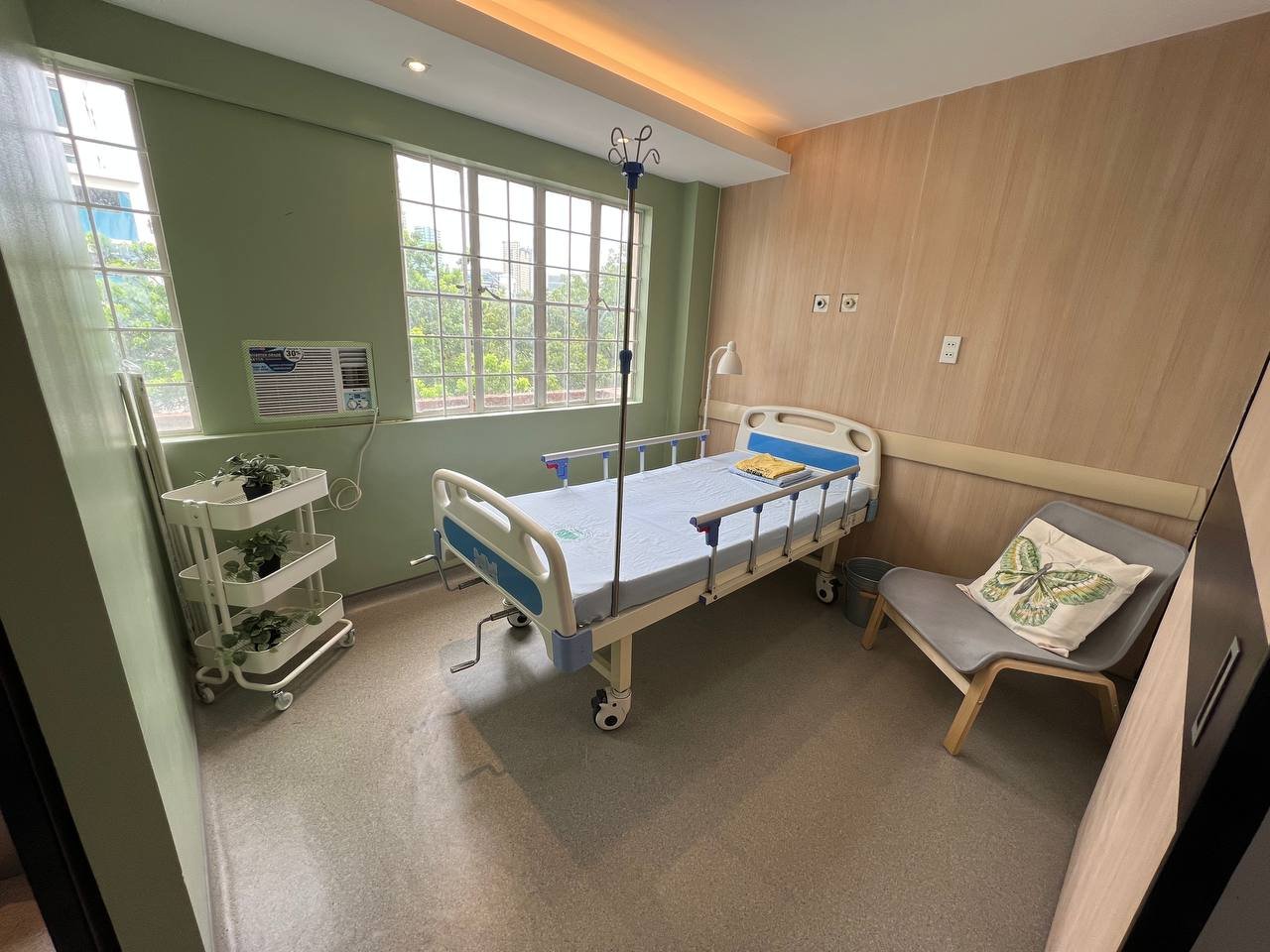
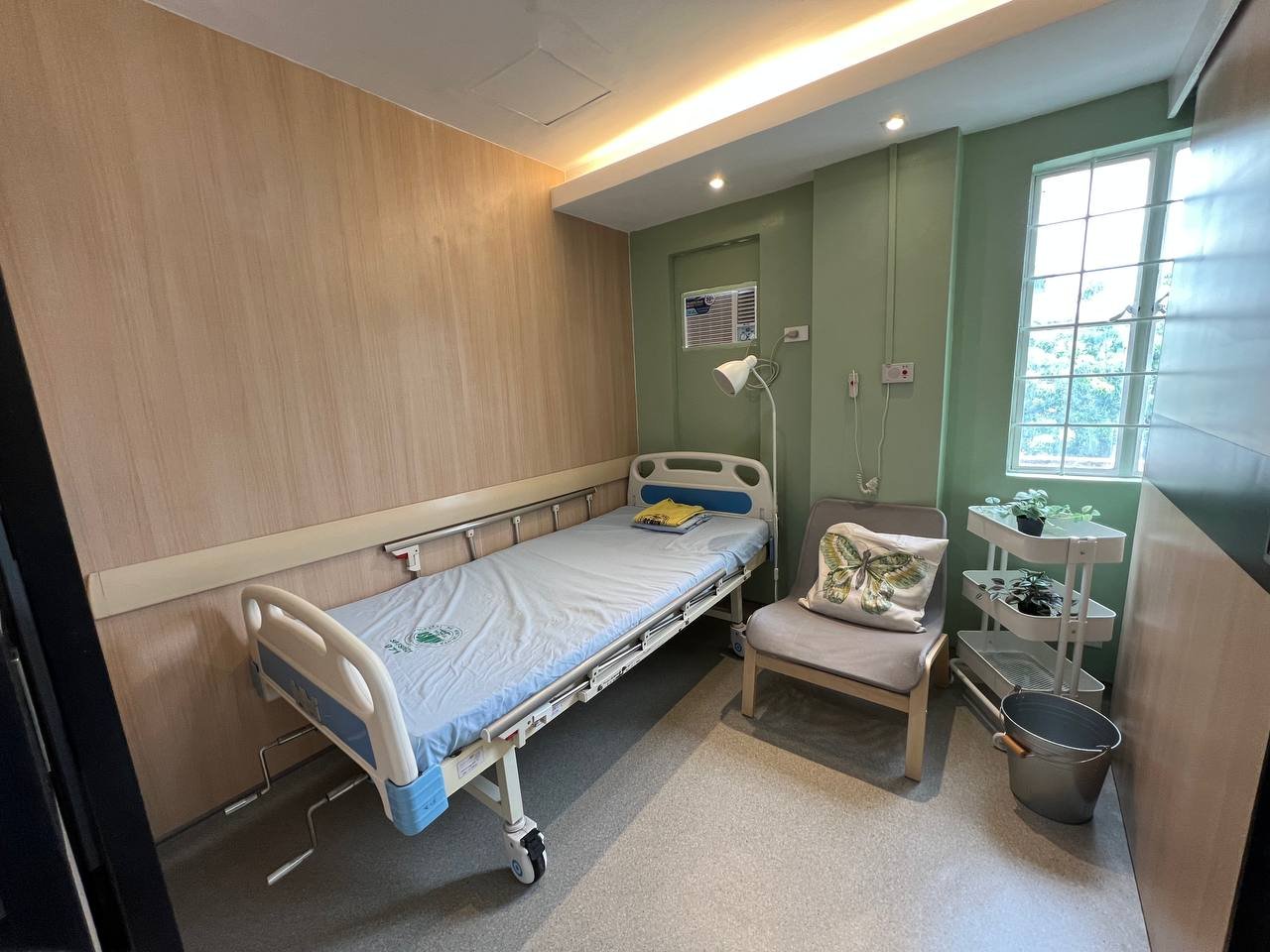
For Ally*, a 6-year-old patient with Spinal Muscular Atrophy, the creation of a beautiful environment epitomized the road to a better quality of life. Through the Ruth Foundation’s Happy Room Project (which began in 2013), Ally and those with chronic illnesses get the chance to see a world of beauty and color.  This can make all the difference, especially for someone who is dealing with life’s challenges at such a young age.

Ally* in her Spongebob-themed “Happy Room”.

The value of a clean, organized, and aesthetically appealing environment goes beyond pleasing the senses. Just as a healthy environment improved the character of the city of New York, promoting a “happy room” instead of a drab hospital-like atmosphere can create wonders for healing. We do not just spend money on interior design for bragging rights, just as we do not just wear well-pressed and clean-smelling clothes to attract people. The dignity and self-esteem it promotes can elevate one’s mood and promotes the release of happy hormones. These emotional benefits can make a difference in the lives of people.


In a study published recently in the Health Environments Research and Design Journal, a meta-synthesis showed that there are 5 factors needed when designing a palliative and hospice care environment. These include a shared space, a safe place, a reflective place, a place for family, and a place with good aesthetics and ambiance. It is surprising that not all hospice patients desired a private room in isolation – they craved interaction. Providing access to a small garden, or even placing plants or other living creatures in a room was a big help. A nice view conducive to self-reflection also enabled patients to see through themselves and plan out things they still want to achieve. I already mentioned in a previous article how this was accomplished in Ospital ng Muntinlupa, where a palliative care unit was recently established with the renovation of rooms for hospice care4.  This may be used as a template for hospitals – even public hospitals – that are contemplating having their own hospice care units.

The SSAFeR place approach** details the factors that need to be addressed when designing a palliative care environment.

Whether the goal is to suppress crime in the city or to promote care at the end of life, a happy, secure, clean, and modest environment is always a key to success. After all, when we see nature in all its splendor, we marvel at the wonders that it offers. Humanity will always be attracted to beautiful things, for it makes our existence meaningful and colorful.


*name changed for patient’s privacy

 **Miller, et. Al. (2021). The Physical Hospital Environment and Its Effects on Palliative Patients and Their Families: A Qualitative Meta-Synthesis. https://journals.sagepub.com/doi/abs/10.1177/19375867211032931

The Compassionate Community Kitchen: Transcending the Meaning of Food

We always hear the words – food is medicine – and harp about the benefits of good, healthy food on health and well-being. But what if not even food can reverse or alter the inevitability of man’s existence? That’s when we become creative and alter our perspective.

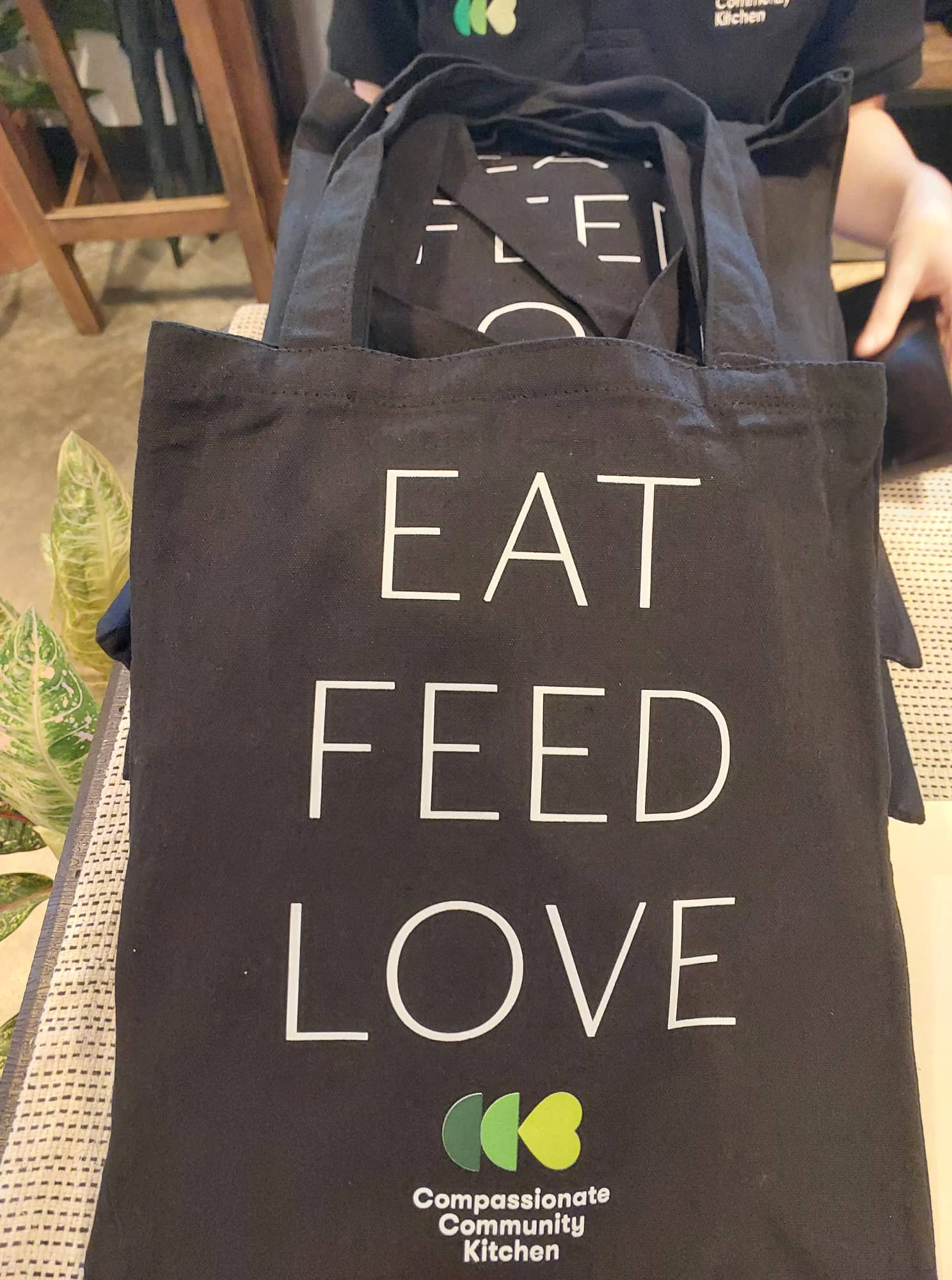
Food restores dignity. And inspired by the Dignity Kitchen in Singapore, The Ruth Foundation launched THE COMPASSIONATE COMMUNITY KITCHEN (CCK), which serves authentic Singaporean dishes individually packed to underprivileged patients.


Being a Family Physician and Medical Biochemistry Professor, I have witnessed how proper nutrition can impact health, not just physically, but emotionally as well. I can probably tell with some accuracy the nutritional content of food and what it can do to the body. What is more important from a human perspective is the happiness that can be derived from a hearty meal.


Yeo Hiok Keat, founding general manager of Project Dignity, points out, “…food makes people happy.”  And it is true – once the food is served and shared, it is akin to a sharing of self, of one’s humanity.


As coined by Ruth Foundation founder Dr. Rumalie “Mae” Corvera, who is a Family Physician and Palliative Care Specialist herself, a “Compassionate Community Kitchen” gives meaning to what we do in medicine. Yes, as doctors, we are licensed to heal, prescribe medications, and care for the community that supports those who are ill. But she has not forgotten the need for food, and how food improves the quality of life. She has targeted two of the most important components of compassion – providing food and providing care.


This is why CCK is integrated with the services of The Ruth Foundation. If we want to restore a sick man’s dignity, what better way to do it than give that person the basic need for sustenance. It is akin to feeding the soul, an act that transcends whatever treatment medicine provides.

As we pass through our daily challenges and think about our tasks, let us always keep in mind that we need food – not just to sustain us, but to allow us to have the strength to serve those in need. Our basic needs may be fulfilled, but once it overflows, they must naturally trickle down to those who may need more. For every mouth that is fed by the Compassionate Community Kitchen, what is extended is not just life, but an act of brotherly love. The kind of love that was extended to us by the one who brought us to life.


For orders, please call 0945-5949465.

Visit them on Facebook: Compassionate Community Kitchen

Instagram: @cocokitchen.ph

A PARTNERSHIP OF HOPE

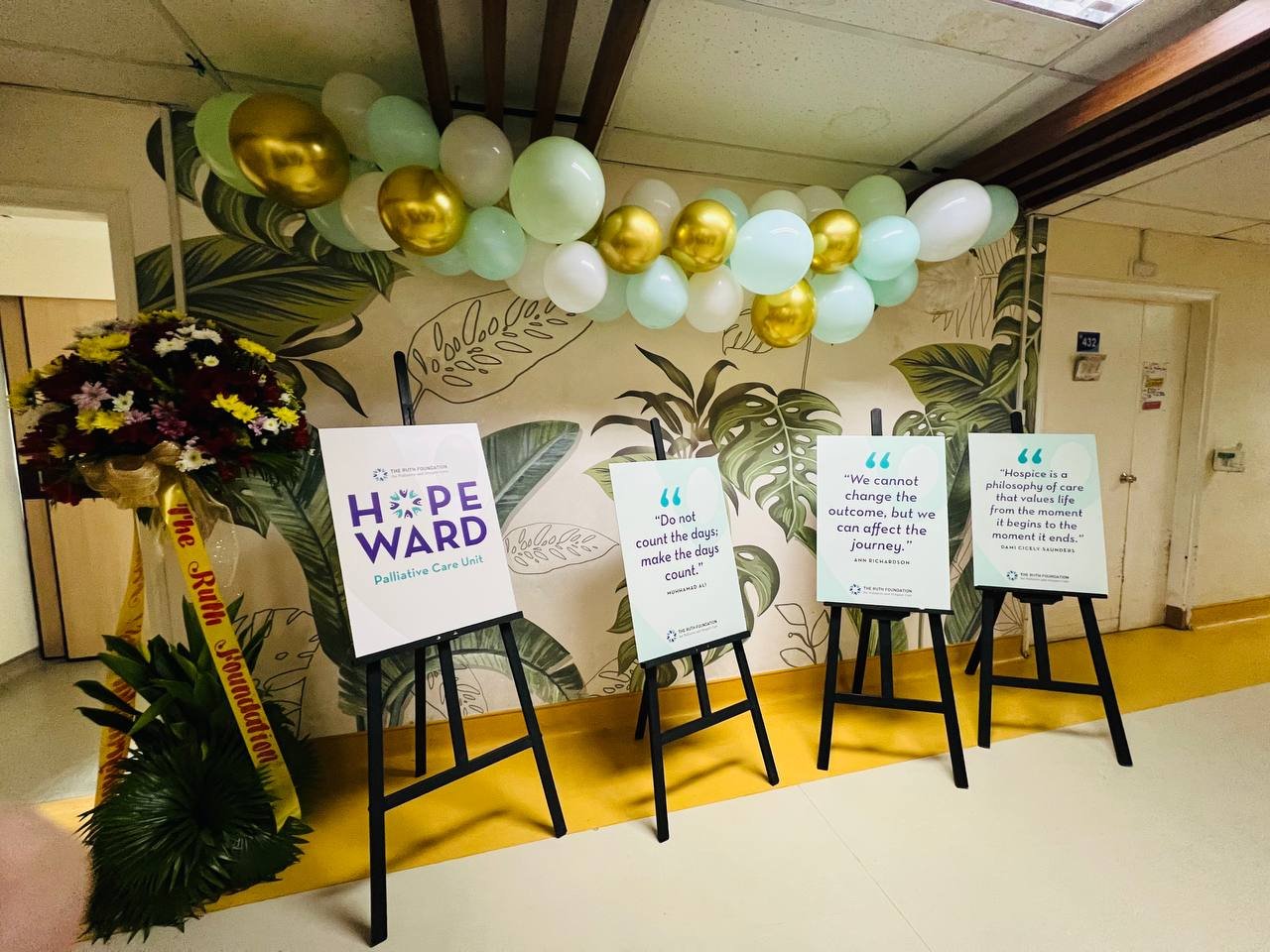
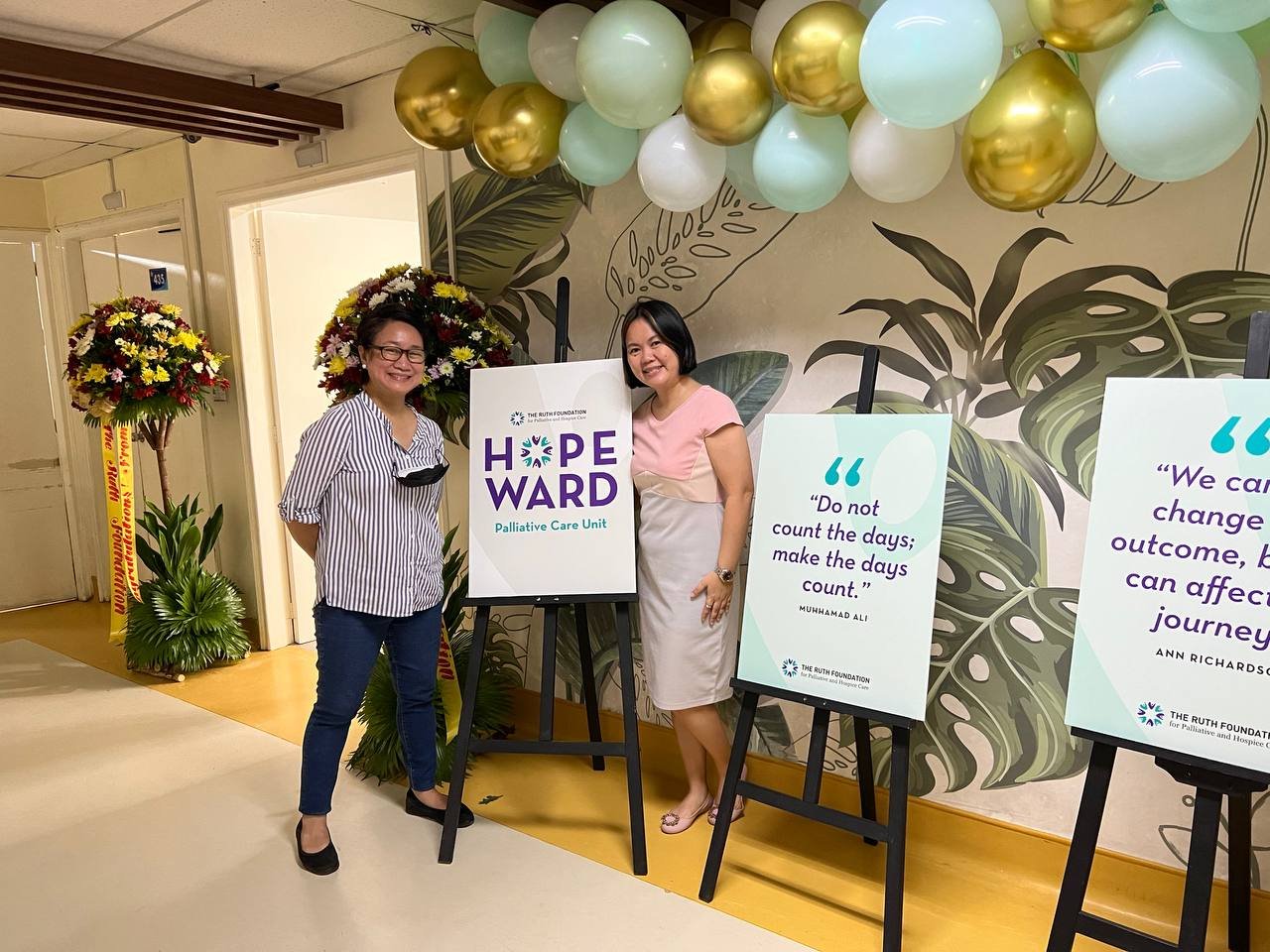
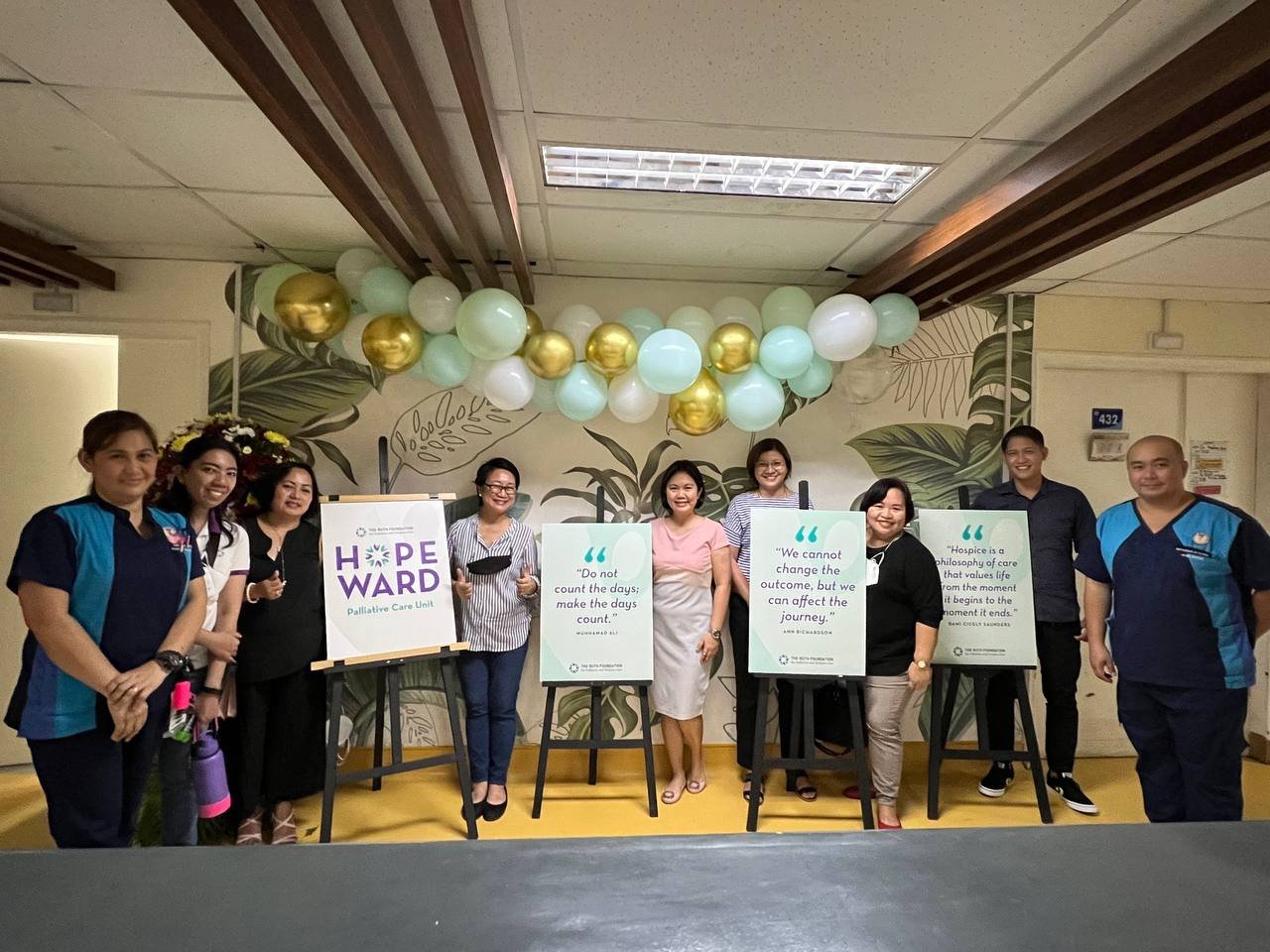
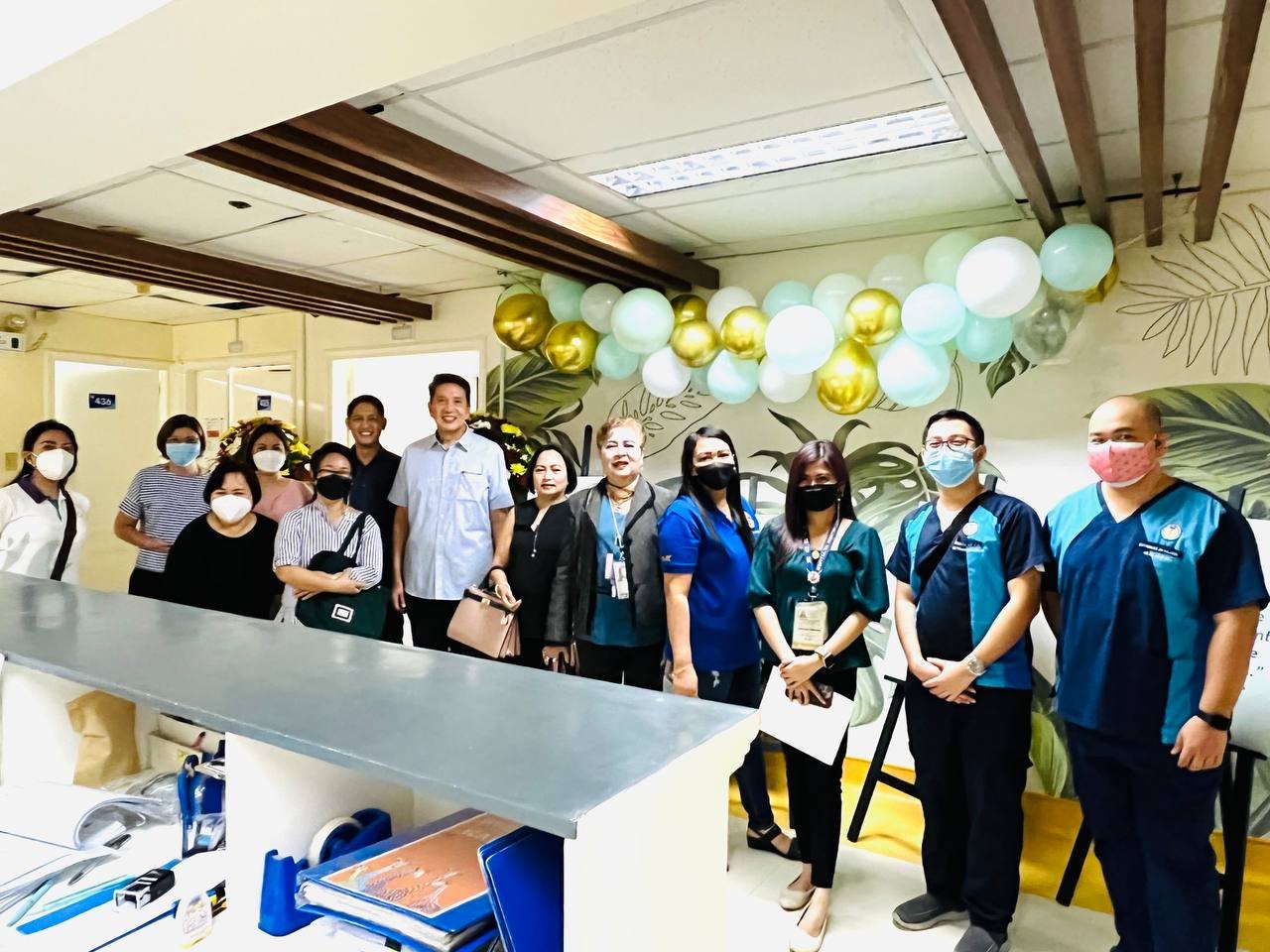
This June 30, 2022, a new ray of hope has been provided in Muntinlupa for patients needing hospice and palliative care.  The new Hope Ward promises to deliver a compassionate service that will hopefully become a benchmark for all city governments. With The Ruth Foundation’s linkages with Ospital ng Muntinlupa and the City of Muntinlupa as a whole, patients needing hospice and palliative care will have access to comprehensive care from the community level all the way to tertiary level management.


As Hospice and Palliative Care continue to be recognized as an important aspect of medical management, it is necessary to provide a seamless transition from the home to the hospital when it is needed. We may have heard stories of how difficult it is, for instance, to manage pain or dyspnea at home and have the patient admitted to the hospital for symptomatic treatment. With the Hope Ward, an expert team of doctors and nurses can work hand in hand to manage urgent symptoms.  A critical component that can also be addressed is education and counseling, as these stressful conditions not only produce physical manifestations. They require psycho-emotional support as well.


Congratulations to the City Government of Muntinlupa headed by Mayor Jaime Fresnedi and Congressman Ruffy Biazon, Ospital ng Muntinlupa Medical Director Atty./ Dr. Edwin Dimatatac, and The Ruth Foundation founder and CEO Dr. Rumalie Corvera. These public-private partnerships are what our country needs for the improvement of health care. And with the soon-to-open Pamantasan ng Lungsod ng Muntinlupa College of Medicine that will focus on Universal Health Care, hope springs eternal not only for the City of Muntinlupa. This promises to be a template that will be emulated by other cities in the country as well.

The 21st Century Physician

“It is no longer acceptable for a doctor to simply be a repository of knowledge; rather, and more importantly, a doctor must be able to make sense of knowledge.”

In 2004, I started my clinical practice as a newly-minted Family Medicine Specialist. I was confident, believing that I knew more than my patients. My goal then was to showcase this expertise; create impressive visual aids and prescribing materials that would show my intellectual capacity. It was how I was taught as a medical student and as a resident too. It worked —up to a point. The disconnect became obvious when I saw my patients not getting any better. It was an eye-opener.


While it is a respectable goal to instill knowledge, I realize today that I may not be the best conduit to share mere knowledge. I do not have enough time to engage with my patients in the clinical setting in order to provide extensive patient education —fortunately, the internet can make up for this deficiency. Most of the basic teachings needed for diseases can now be accessed online and can be accessed by those without a medical background. However, there is no way to replace the presence and reassuring action of a physician in patient management. There is also a need to clarify and verify whatever information is available online.


What must a physician do under circumstances such as pandemics and false information?


While I was mulling over this question, I was inspired by a bishop’s homily about The Last Supper. He emphasized three important points about the Last Supper: Humility, Availability, and Empowerment. The Lord humbled himself as a servant, and made himself available to his disciples. And during the Last Supper, he empowered his disciples to do the same. We always hear the words: “Do this in memory of me”. I think that this must also be every physician’s goal: to create a legacy that will instill a good memory of one’s efforts.


A doctor must be humble enough today to realize that he or she does not know everything. This will push the physician to continually learn and hone their craft. A doctorate degree is not the be-all and end-all of a physician – rather, it is the beginning of a long and arduous climb towards the realization of being a true healer. It is this humility that will help a doctor reach out to patients, identifying misconceptions and risky behaviors. Genuine concern is felt when a doctor is not arrogant and all-knowing. This allows the patient to freely provide relevant data.


In the age of the internet, remote communication is a blessing. This must be maximized. It might seem to be a burden to always be within reach, an email or a text message away from a patient. While this privilege may be abused, this increases patient satisfaction and compliance. There is also the advantage of having real time information about signs and symptoms, making a doctor respond rapidly in case of emergencies.

Lastly, and most important, I am most passionate about empowerment. Doctors must empower patients to take care of their health by preaching prevention rather than cure.  The word “Doctor” comes from the Latin word “Docere”, meaning, to teach. We cannot deviate from it, for it is inherent in the medical profession to be a teacher in order for people to preserve their health. Part of the responsibility of being a Medical Professor is to inculcate this fact: as a doctor, you will be a teacher, and at the same time, you must empower your patients to make good health decisions. It is not a loss if the patient never gets sick, and if they do need a physician, they will not hesitate on whom to call first.


Humility. Availability. Empowerment. These are the lessons of the Last Supper. These are also the ideal traits of the doctor of the future. And I believe it will never go out of style. Just like your favorite clothes.

Non-Violence

Let us not seek to satisfy our thirst for freedom by drinking from the cup of bitterness and hatred. — Dr. Martin Luther King, Jr.

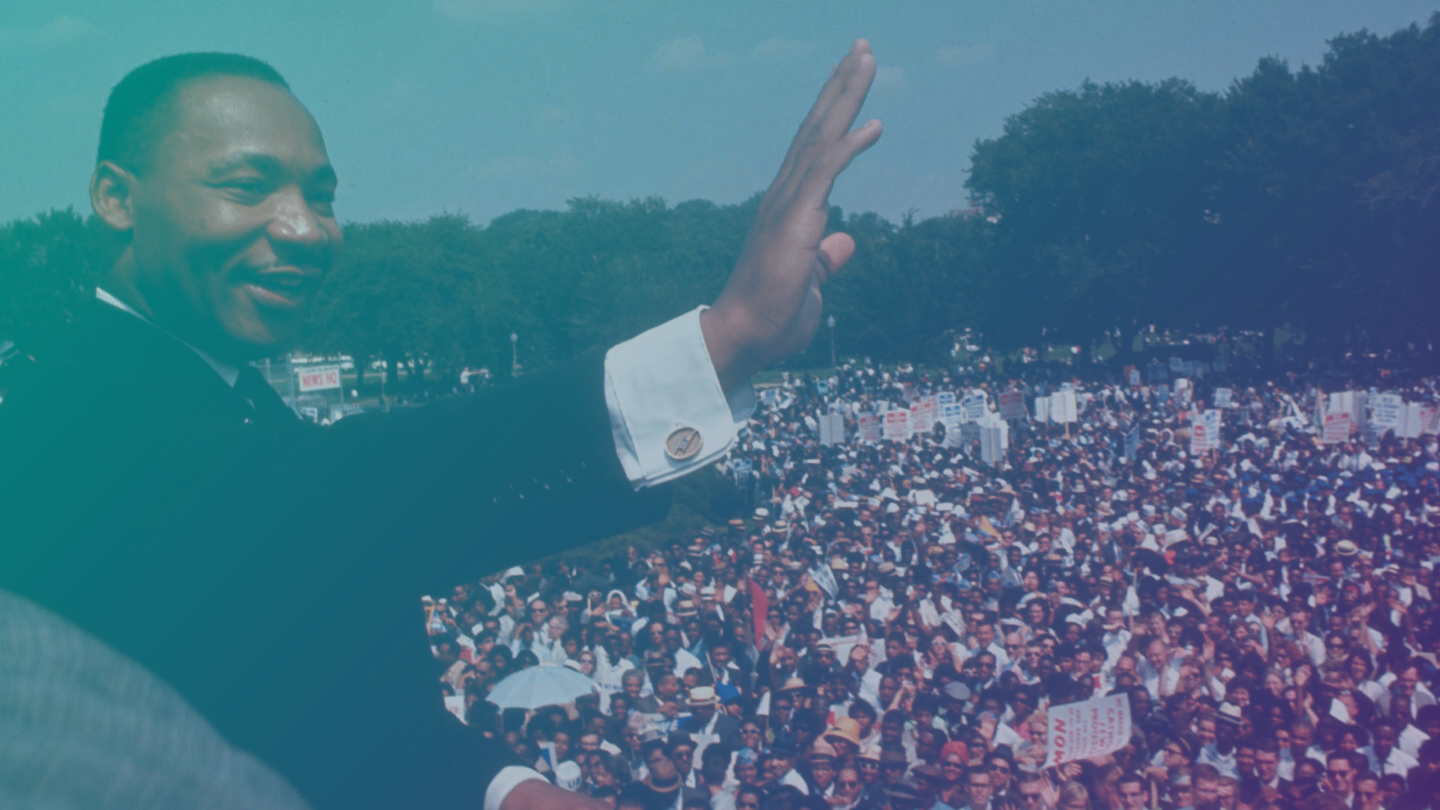
As the United States celebrated Martin Luther King Jr. Day last January 17, we are reminded of the significance of non-violent actions to initiate change. We have seen how violence can lead to significant upheavals, but in the long run it results in resentment and retaliation.

The Bible has this significant story of violent change. After the great flood during the time of Noah that destroyed everything, a covenant was established that it will never happen again (Genesis 9:11-16). This suggests that any violent action may produce immediate change, but there could be long-term consequences.


Dr. King was a powerful speaker, someone whose influence went way beyond his living years. We all impact other people’s lives, and we can make a difference. This was the sentiment of his attitude towards painful upheavals, and he realized that gentle change is more powerful in producing results.

At a time when the black people of the United States were considered as second-class citizens, his “I Have a Dream” speech resonated with everyone who has ever been bullied and discriminated upon. In medical care, this includes those who no longer have the capacity to choose treatment, those who cannot afford, and those who no longer have a good chance of survival.

Doing what is right for others must be entwined in our being. With the growing challenges of the pandemic, there still exists inequality in some fronts. Some are not able to access vaccines. Others still refuse to be vaccinated. We know that recently, even world-class athletes have been in the limelight as they insist on their own questionable beliefs. But we who believe in science plod on, continuing to pursue excellence with the dream of providing a better life for others.

Everyone can make a difference. We are influencers. Our inner circle can alter the behavior of others. Our decisions can change lives. In deciding to change behavior through gentleness and compassion, we may produce slower outcomes, but they last longer. There is no resentment afterwards.

In the Philippines, we can now see how palliative and hospice care has gone a long way in promoting human dignity. When I was a student before the turn of the millennium, a DNR in a patient’s chart meant “Do Not Resuscitate”. It also meant “Do Nothing, Really”.  These patients, from being monitored on an hourly basis, were suddenly dropped like hot potatoes. Medications stopped. Visitations became less frequent. Students liked to have these patients, for there was no longer anything to carry out for them.

But through the introduction of compassionate care in the medical curriculum, the landscape started to change. There were no violent protests that led to this change. It was led through example. Then it gained ground. Today, medical futility is viewed in a different light. Medical specialists recognize its reality on all fronts. There is still some resistance, as some sectors still adhere to saving lives at all costs. But aggressive CPR is a violent way to go for the terminally ill. There is a better way to say goodbye. It lies in a silent touch, a gentle whisper, a compassionate wave.

Why Do We Have Changing Guidelines For Covid-19 Quarantine And Isolation?

Guidelines, like some promises, were made to be broken.

In the midst of the record number of Covid-19 cases that are reported, there is also a lot of confusion with regards quarantine and isolation. It used to be a strict two-week isolation protocol that was instituted in the early days of the pandemic for those exposed. Today, some guidelines even state that health workers who have been given vaccination boosters do not need to isolate themselves if they are asymptomatic.


So why is it so difficult to sustain health recommendations? To get a better understanding of this dilemma, let us analyze the different factors involved in the process that leads to the dissemination of health guidelines. 


We have come to expect that scientific facts and evidence run the medical industry.  This has developed in us a sense of trust in what our health experts advise. Thus, it is  surprising to realize how these recommendations can be influenced by politics, the media, and by consumer groups.


Political groups want to get the best mileage in times of health crisis. They want to prove that they are on every aspect of care, no matter how trivial. They will try to exert influence on medical decisions. At times, this is good; at other times, this over-involvement increases health care costs.


The media is ready to pounce at every news story. An outbreak is a great story. So is a new drug, and its possible adverse reactions. Whenever there is a potential for public interest, expect the media to be there. It is a great ally for information dissemination. It is also a clear enemy of disinformation. It can shape the opinions of the masses, and mass opinion is not always right.


Public behavior in the age of social media is a powerful influencer. Man has always followed the actuations of the majority. We have seen this rear its ugly head during the pandemic, where a supposedly new concoction endorsed by a celebrity gains ground even without studies. The public, desperate for cures, tries it out and loses.


Experience teaches us that we shouldn’t jump on every new piece of advice we’re given, even if it comes from experts. This may only be a trend or a passing whim. Even in the era of evidence-based medicine, this is a reality. Yes, even experts may not have all the answers, though they may be our best bet even if they are not always correct.


Take smoking, for instance. Fifty years ago, physicians considered them to be harmless and hip. Tobacco companies invested a lot of money in promoting it,  even funding sports events with the cigarette product as the main sponsor to prove their safety. Sugar, coffee, and even sun exposure all had different recommendations and concerns in the recent past. So why all the changes?

As technology and methods prosper, there is an evolution of the different research methods that are followed in order to come up with medical answers. Past experiments are revised, researches are collated, and this collation may reveal different truths. A research method called a meta-analysis collects and analyzes the results of different studies, and this collection of data may change existing recommendations if the summarized evidence proves something different. The vast changes made over the years in health recommendations represents advancements in science. As new strategies come up, past methods are revised. New findings are generated, leading to a change in general theories, expert opinions, and eventually medical guidelines.


The public health implications can sometimes be remarkable. Twenty or so years ago, the recommended cut-off for the diagnosis of Diabetes Mellitus was at 140 mg/dL. When it was lowered to 126 mg/dL as a result of various studies, and due to the increasing number of Diabetes complications, you can imagine the turmoil this caused not only to the medical community but to the general public as well.  This also happened when hypertension guidelines were changed to represent a more aggressive stance towards lowering blood pressure. Patients became less confident in their physicians, and in turn, physicians have to deal with accepting the new recommendations.


Scientists themselves  make mistakes. Premature generalizations and information biases reveal that even the smartest among us can be prone to error. Whether they admit it or not, they can also be affected by politics or the media. This is not to mention that the promise of a huge payback may also blind their judgement.


And so we go to the problem of changing recommendations for Covid-19. Expect more changes in the future as more data come out. How long can the virus survive in our bodies? What do vaccines do, and how long can they sustain immunity? What about the new drugs – how effective can they be? Will these new methods result in a decreased need for isolation and quarantine?

Note that the reason why Covid-19 was such a concern when it came out was because of its potential to cause death. Then, it was found that there were certain comorbid conditions such as immunodeficiency, chronic illness, and advanced age that makes one susceptible to complications. Now, most infections are mild. Even the infectious agent itself has evolved into different strains with different clinical presentations.

Changes in health recommendations are entirely out of our control. However, for as much as we should trust in new and more advanced technology and the consequential findings, being critical and not accepting everything as gospel truth is important. Every case has a different situation that must be discerned specifically.  That is why it is always a good idea to keep in touch and seek expert advice, not just your own judgment. Common sense may not be so common, but in the hands of the common man, it may make things worse.


Learn from the changes. They are here to stay.