

As a physician practicing in a country of over 7,000 islands, I have often seen how geography dictates the kind of care a patient receives. In many remote communities, a sick child, a pregnant mother, or an elderly patient must travel hours—sometimes by boat or rough terrain—just to reach the nearest doctor. The distance between the patient and the health facility often becomes a distance between illness and recovery, hope and despair.
Over the years, however, the landscape of health care delivery has begun to shift. The rapid improvement of internet connectivity and the emergence of telemedicine have opened new doors to care, learning, and connection. I have witnessed how a stable internet connection can bridge not just islands but also the gap between patients and physicians, between the underserved and the unreachable.
The Power of Connectivity in Healing
Reliable internet connectivity has become as essential to modern health care as the stethoscope or blood pressure cuff. It enables physicians and health professionals to share knowledge, review diagnostics, and coordinate care across great distances. In the Philippines, where disparities in health services are deeply rooted in geography and resource distribution, internet access can be the great equalizer.
Recent government efforts such as the Department of Information and Communications Technology’s Broadband ng Masa and the National Fiber Backbone Project offer hope that connectivity will soon extend beyond urban centers. Once reliable internet reaches rural barangays, health centers, and district hospitals, the possibilities for digital health expansion become endless.
Connectivity empowers a rural physician to send laboratory results to a tertiary center for review, to consult a cardiologist about a complex ECG tracing, or to participate in continuing medical education sessions without leaving the community. More importantly, it allows patients to be seen, heard, and cared for—even from afar.
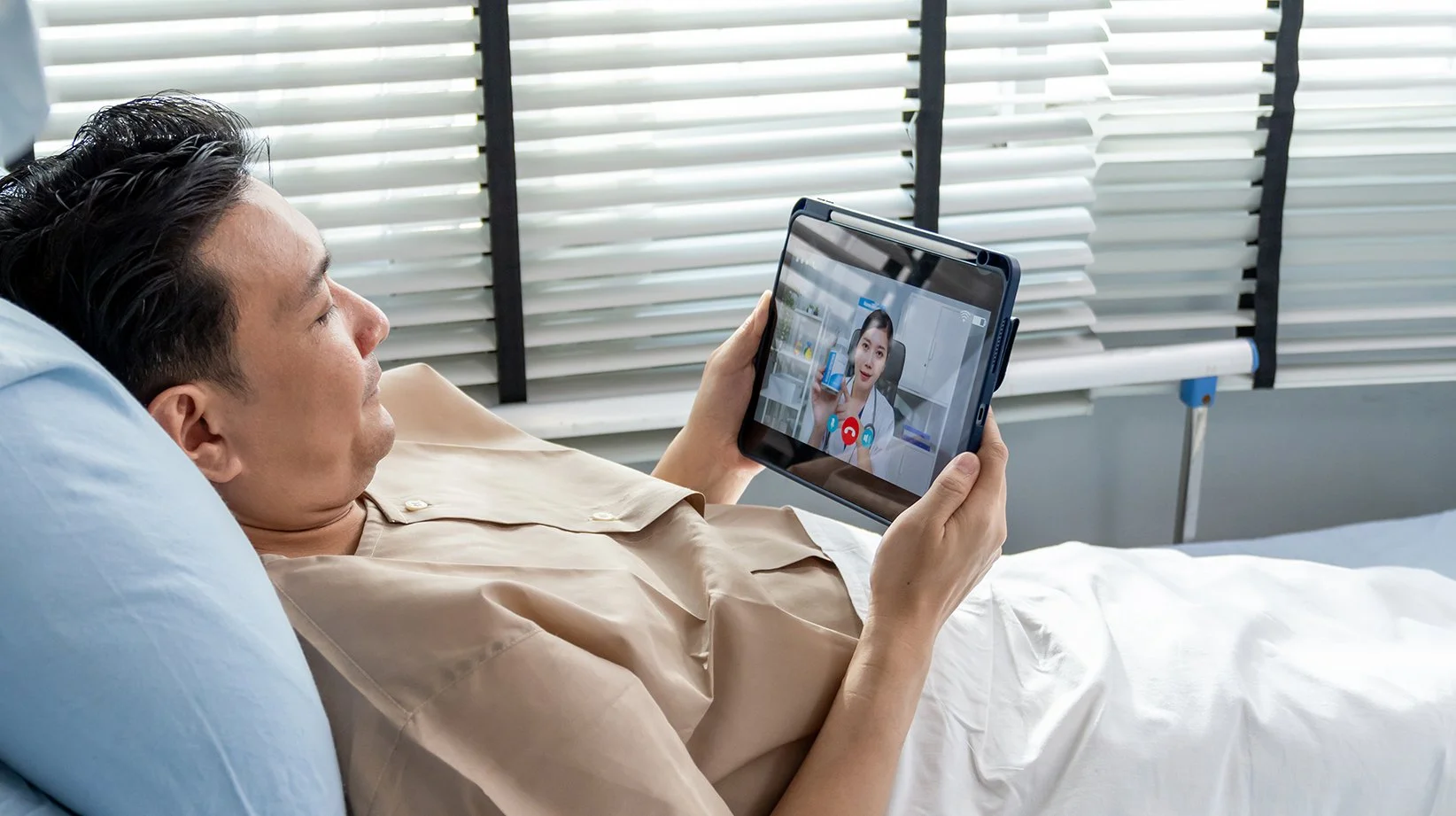
Telemedicine: Extending the Physician’s Reach
The COVID-19 pandemic revealed both the fragility and the resilience of our health system. During lockdowns, when in-person consultations were restricted, telemedicine became a lifeline. As a clinician, I found that video consultations and remote monitoring did not diminish the essence of patient care; rather, they extended its reach.
Telemedicine offers several clear advantages in our context. It enables access to care for communities without specialists. A patient in a remote island with uncontrolled diabetes can now consult an endocrinologist in Manila through a secure platform. For chronic disease management, teleconsultations provide regular follow-up and medication review without the burden of travel. This simple continuity can prevent complications that often arise from missed visits.
Moreover, telemedicine reduces cost and time—for both patient and physician. The savings from reduced travel and unnecessary referrals are significant, particularly for low-income families. It also empowers primary care physicians, who can seek expert advice or share diagnostic data with specialists, strengthening the gatekeeping function envisioned in our Universal Health Care framework.
In emergencies and disasters, telemedicine can mean the difference between life and death. Real-time communication between rural health units and referral hospitals allows prompt triage and stabilization, even before transfer. In this way, technology becomes a true instrument of compassion and efficiency.
Hospitals, Health Centers, and the Digital Transformation
The integration of telemedicine into hospitals and health centers must be deliberate and systemic. District hospitals can adopt tele-referral systems to connect with tertiary facilities, ensuring that transfers are made only when truly necessary. Rural health centers can use electronic medical records linked to telehealth platforms so that patient information follows them seamlessly between facilities.
Community health workers, equipped with mobile devices, can document patient data during home visits, which can then be reviewed by physicians remotely. Through telepathology, teleradiology, and telepsychiatry, diagnostic and therapeutic services can reach even the most isolated barangays. A chest X-ray taken in a rural clinic can be read in a city hospital; a patient struggling with depression can receive counseling from a psychiatrist hundreds of kilometers away.
Telemedicine, therefore, is not a replacement for bedside care but an expansion of it—a way to make the physician’s presence felt where it has never been possible before.
Universal Health Care and the Promise of Digital Equity
The Universal Health Care (UHC) Act of 2019 envisions a health system where every Filipino has access to quality and affordable care. To achieve this vision, the integration of telemedicine into the UHC framework is not only logical but necessary.
“Digital infrastructure should be recognized as essential health infrastructure, just like hospitals or ambulances. Without stable internet and interoperable data systems, health service delivery networks cannot function efficiently.”
A national telehealth network, supported by the Department of Health and PhilHealth, can ensure standardization, accreditation, and security of telemedicine services. PhilHealth reimbursement for virtual consultations would encourage more physicians to participate, sustaining the system’s growth.
Most importantly, digital health must advance equity. Telemedicine should prioritize those traditionally left behind—the elderly, persons with disabilities, and residents of geographically isolated and disadvantaged areas. Under UHC, local health boards can allocate resources to ensure these populations have access to digital tools and connectivity. The goal is not simply modernization, but inclusion.
Challenges and Responsibilities
Despite the optimism, several challenges must be addressed. Data privacy is paramount; as physicians, we hold a sacred duty to protect patient confidentiality, whether in person or online. The Data Privacy Act of 2012 provides a framework, but ethical vigilance remains our personal responsibility.
Digital literacy among both patients and health workers also needs strengthening. Technology should empower, not intimidate. As telemedicine becomes more prevalent, we must train health providers to communicate effectively in virtual settings and ensure that compassion transcends the screen.
Finally, the issue of unequal access must not be ignored. Many households still lack reliable internet or digital devices. Without deliberate policies to bridge this gap, telemedicine may inadvertently widen health inequities. Connectivity, therefore, must be pursued not only as technological progress but as a moral commitment to social justice in health.