A COLLABORATION OF HOPE

Compassion has no start and no end. It is a continuing process whose effect is felt for generations to come.

To cure sometimes, to relieve often, to comfort always.” This famous quote came from the late 19 th century as coined by Edward Livingston Trudeau, founder of the famed tuberculosis sanitarium at Saranac Lake in New York's Adirondacks. It is the guiding principle for the establishment of The Ruth Foundation for Palliative and Hospice Care (TRF). We may not be able to save all patients, but there is a constant service we can provide – comfort and care.


In its humble beginnings nearly ten years ago, TRF partnered with its surrounding community in Muntinlupa. From geriatric patients, it also caters today to patients from all age groups. With this comes the realization that we need to expand the palliative and hospice care service. With the establishment of the Universal Health Care Law, the vision is to provide TRF’s services to all communities in the country. No one will be left behind.


Utilizing the power and reach of the internet and other technologies, TRF launched among care providers the Palliative Collab project. It aims to provide information to all palliative and hospice care providers to connect with patients. Both private and public partnerships will be enhanced so that we can become good providers of end-of-life care, and symptom management would hopefully become accessible to everyone. Care providers will be accredited, and these partners will be empowered to make the Philippines a model of compassion in the future.

The Ruth Foundation for Palliative and Hospice Care (TRF) Founder, Dr. Rumalie Corvera, discusses the vision and mission of TRF and its plans for the future.

The PalCollab project as explained by Dr. Corvera will become the prototype for the provision of palliative and hospice care. It still has a long way to go, and admittedly, it is an ambitious project. The initial 3-year timeline that includes the provision of tele-consults and volunteer networks will be expanded from its home base in Muntinlupa. The gathering of palliative care providers is an invitation to participate in the project and enkindle the compassion that has made Filipino caregivers world-renowned for their hospitality.

TRF Executive Director, Dr. Rana Mendoza, explaining the PalCollab project to the Palliative and Hospice Care providers in the Country.

Is the provision of palliative and hospice care limited to those with medical training? Dr. Mendoza mentions that the answer is no because the project will also need – among others - information technology specialists, artists who can teach crafts, administrators who can organize events, or ordinary individuals with the inclination to comfort and visit the sick. Everyone has a role to contribute to lifting the spirits of those who have health issues. The possibilities are limitless.

TRF Director for Patient Care Services, Dr. Nanette Cruz, introduces the members of the PalCollab team. It includes physicians, nurses, caregivers, social workers, pharmacists, psychological and spiritual support providers, and various volunteers and staff.

The services provided by PalCollab will include medical and nursing services, physician and institutional referrals, counseling, institutional training, medication and supplies procurement, financial sourcing, volunteer training and empowerment, and outsourcing of caregivers, among others. For more details, please visit the website www.ruth.ph/palcollab
BEREAVEMENT

Our existence is a series of gains and losses;

Celebrate both as a part of life.

For we cannot wallow in grief all the time,

Just as we must not be content with past success.

Every journey is a series of ups and downs. It is normal and automatic for us to celebrate the attainment of goals, and to highlight milestones in our lives. Just look at social media — how many posts do we see among our friends showing the birth of a child, the awarding of a degree, or the victorious podium finish in a competition? We often see positive comments on these and urge them to do more. In contrast, comments on losses and failures are short, as if we are afraid of harming sensibilities. This might discourage people from sharing these sad moments, creating a vicious cycle that may exacerbate unexpressed loneliness.


Today, The Ruth Foundation for Palliative and Hospice Care shares with us how we can deal with loss and treat it as a part of our personal growth. The program entitled “Good Grief: Healing Hearts and Communities Through Bereavement Care” highlights testimonies and experiences that will encourage us to speak up and move on. Stories of loss, survival, support, and even heroism in the midst of struggles are interspersed with beautiful anecdotes that will convince us that the inevitability of loss is an opportunity for upliftment. I saw cries with smiles, and while looking back was filled with pain, hope is never lost.


Is there a secret to good grief? Does time heal wounds? Hearing from the experience of others, there is really no definitive timetable that can be established for moving on. Pain can remain for years even if the grieving survivors have regained functionality in their lives. This tells us that it is not the complete absence of pain that is important – rather, it is the strength of character that loss instills that makes bereavement important. And in all of this, we need each other. A community that cares allows us to have the energy to physically, mentally, and emotionally deal with the challenges of change and the courage to share the learnings later on.


A number of myths were also debunked in relation to bereavement care. Suppressing the pain to heal faster was mentioned as a myth, for it actually prolongs the agony when the reason for the pain is not addressed. We may exhibit a strong front, but external manifestations of strength by showing indifference can give those around us mixed signals about how we really feel. It is not, however, mandatory that we release those emotions publicly, for we all have different ways to grieve. As long as the method of grieving does not damage or compromise one’s future, personal coping measures must be respected and honored.

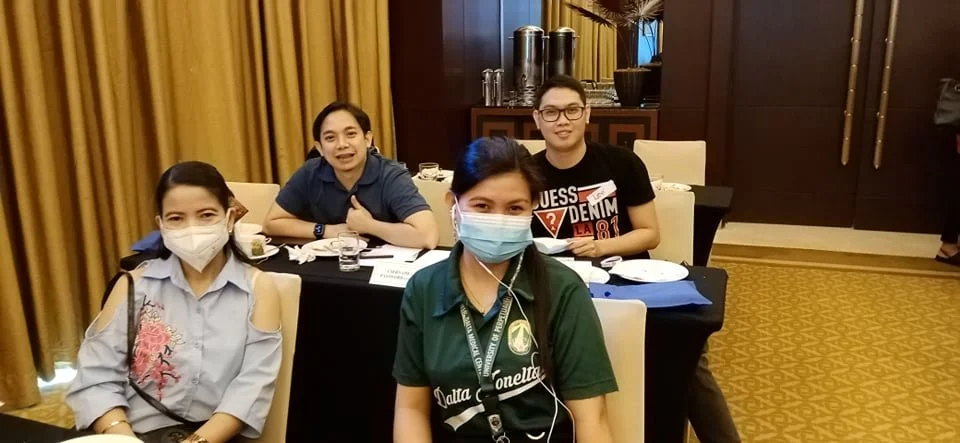
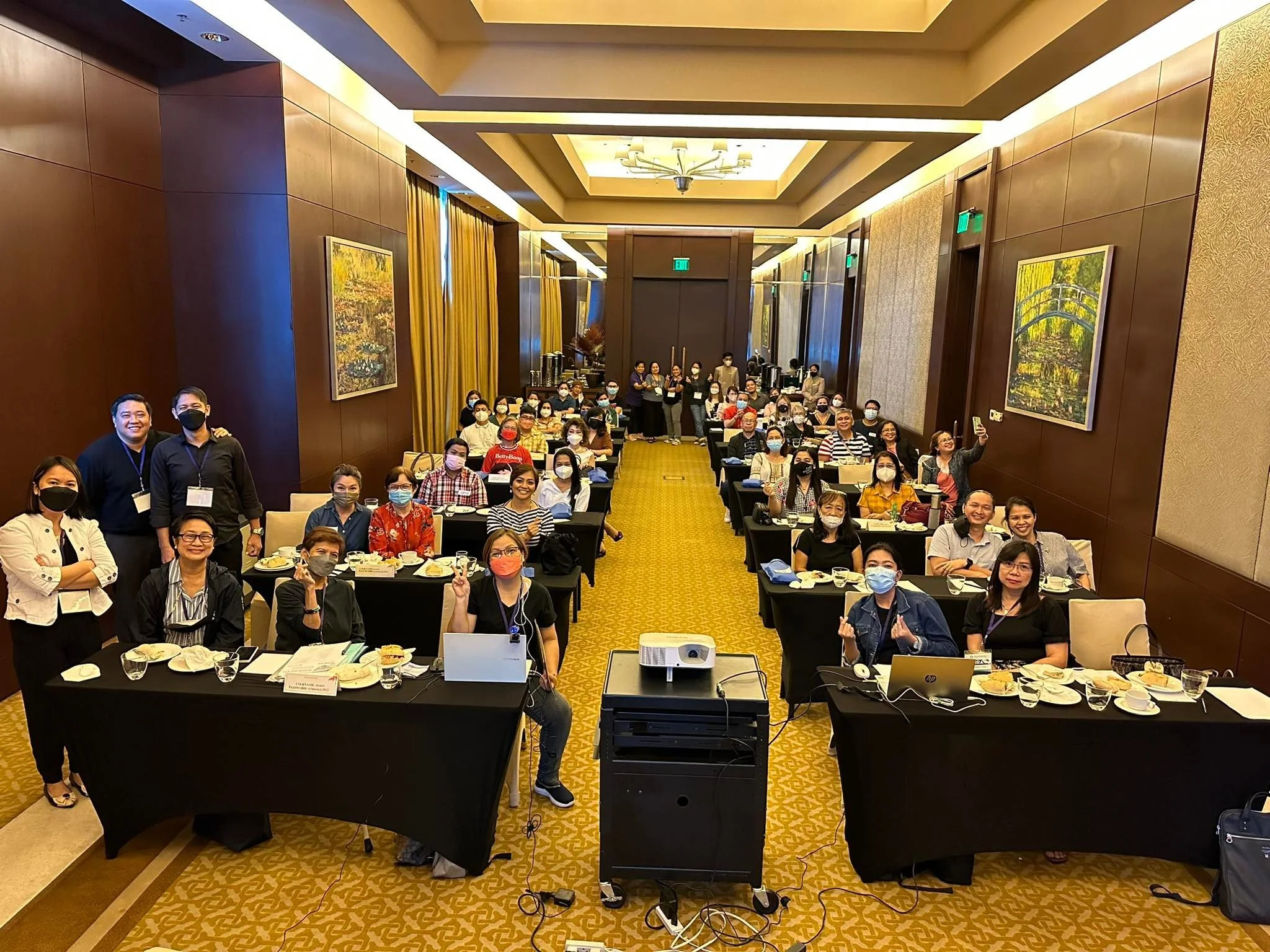
Our gratitude goes to those who contributed their time and expertise to this endeavor, led by The Ruth Foundation Founder Dr. Rumalie Corvera, Director for Training Dr. Mark Joseph Mendoza, Palliative Care consultants Dr. Ara Ofina and Dr. DJ Pedro, Spiritual Care Provider Pastor Spencer Gequillana, Social worker Lira Tañamor, and Counseling Specialist Cottie Del Rosario. Executive Director Dr. Rana Mendoza spearheaded the affair, which was held at the Crimson Hotel in Alabang and shared virtually via the Zoom platform with its 41 participants.

Congratulations to The Ruth Foundation and thank you to all the participants!

Should We Be Concerned About Profiting In Hospice Care?

The hospice care industry may not be profitable in the Philippines now, but it could potentially become a lucrative service. Must we be concerned?

In business, a quick profit is always attractive. Whatever industry you are in, the allure of easy money always exists. It may not always be moral or ethical at times – more often than not, a get-rich-quick-scheme has few big winners and more big losers. But if it is in the industry of health care, specifically hospice care, it could present serious issues.

Dr. Joan Teno of Brown University School of Public Health in the United States, whose work has focused on end-of-life care, is one of those practitioners who have raised red flags about paid hospice services. “I’m very concerned that you’re harming not only the dying patient, but the family whose memory will be of a loved one suffering because they didn’t get adequate care.”

Hospice is a relatively easy business to start. At present, not many health care businesses are into it, because payments are usually out-of-pocket, and all services that are covered by the health insurance system require hospital admission.  Hospice care can be provided at home and using lower-cost health workers, who can work longer shifts. This may allow the entry of smaller hospices, launched with the intent of profiting within a few years. Coupled with the sale of pharmaceutical drugs and equipment, a hospice care provider can potentially have steady clients with a regular cash flow.

The scary thing, however, is that not all of those entering the hospice market have the best intentions.

An aging population is a huge market for hospice care, but this segment of the society can be prone to abuse. Even if someone has deep pockets, the constant drain on resources could render someone bankrupt sooner or later if expenses are not checked. There may be a need to enact new laws for these services to streamline the practice and discourage unscrupulous businessmen from racketeering.

This has been the case in certain countries where the government covers for hospice care. If oversight is limited and payouts become generous, there could be private services who will take advantage of the constant income stream. Reports show that some of these industries provide shoddy service and charge a premium. More hospice providers will accommodate inquiries and clients, but they might be unable to spend more time with patients if needed. A study found that patients in for-profit hospices see doctors less often presumably to cut costs. In an analysis of federal data from 2014 to 2017, it was noted that profit hospices were less likely to have received any hospice visits in the last three days of life.

For-profit hospices also enroll a different set of patients, preferring those likely to remain in hospice longer. Most costs are incurred in the first and last week of hospice care. Patients who enroll in hospice must undergo several assessments to develop a care plan and set their medications. In their final days, as the body begins to shut down, patients often need additional services or medications to stay comfortable. Thus, when profits become a priority, screening becomes more important.

In this regard, one of the profitable cases that a hospice care provider can have is dementia. These patients will not die soon, but they will need constant attention to improve quality of life. They are also prone to all kinds of abuse, as their limitations make them dependent on care providers. Unlike cancer patients whose remaining days may be numbered, dementia patients may survive for years with the same needs and medications. Thus, there is no need for a service provider to constantly go searching for patients. The system might become discriminatory when this becomes common practice.

One must understand that hospice care is not easy. It requires some emotional involvement and yet, you must not bring the stressor home with you on your day off. You must have the patience to wait for patients when they take medications, and yet most of them may not realize a cure. It goes against the messianic complex of some care providers – you cannot save your patient, and yet you must still care.

Hospice Care providers are here to stay, and with an aging population, we must find ways to strengthen this segment. It is not bad to make a profit along the way, as it is actually necessary to sustain the service. Non-profit organizations might not be enough to serve the needs of the populace. Let us all work together to learn more about hospice care so that we can all benefit once we or our relatives need it.

REFERENCE:

Hospice Medicare Margins: Analysis of Patient and Hospice Characteristics, Utilization, and Cost - By Carol BazellMelissa A. CaplenWilliam CoatesPamela M. Pelizzari, and Bruce S. Pyenson (25 November 2019)

THE HAPPY ROOM PROJECT: Spreading Good Vibes, One Room at a Time

I read an excerpt about New York City in one of Malcolm Gladwell’s books, “The Tipping Point”. It was said that during his term, Mayor Rudolph Giuliani cleaned up the subways of New York in an effort to curb criminal activity in the area. Gladwell mentioned that the strategy, known as “The Broken Window Theory”, became successful because our environment influences our well-being. By cleaning up and tidying the streets, mobsters were given the message that someone was in charge of the city and was being monitored.


For Ally*, a 6-year-old patient with Spinal Muscular Atrophy, the creation of a beautiful environment epitomized the road to a better quality of life. Through the Ruth Foundation’s Happy Room Project (which began in 2013), Ally and those with chronic illnesses get the chance to see a world of beauty and color.  This can make all the difference, especially for someone who is dealing with life’s challenges at such a young age.

Ally* in her Spongebob-themed “Happy Room”.

The value of a clean, organized, and aesthetically appealing environment goes beyond pleasing the senses. Just as a healthy environment improved the character of the city of New York, promoting a “happy room” instead of a drab hospital-like atmosphere can create wonders for healing. We do not just spend money on interior design for bragging rights, just as we do not just wear well-pressed and clean-smelling clothes to attract people. The dignity and self-esteem it promotes can elevate one’s mood and promotes the release of happy hormones. These emotional benefits can make a difference in the lives of people.


In a study published recently in the Health Environments Research and Design Journal, a meta-synthesis showed that there are 5 factors needed when designing a palliative and hospice care environment. These include a shared space, a safe place, a reflective place, a place for family, and a place with good aesthetics and ambiance. It is surprising that not all hospice patients desired a private room in isolation – they craved interaction. Providing access to a small garden, or even placing plants or other living creatures in a room was a big help. A nice view conducive to self-reflection also enabled patients to see through themselves and plan out things they still want to achieve. I already mentioned in a previous article how this was accomplished in Ospital ng Muntinlupa, where a palliative care unit was recently established with the renovation of rooms for hospice care4.  This may be used as a template for hospitals – even public hospitals – that are contemplating having their own hospice care units.

The SSAFeR place approach** details the factors that need to be addressed when designing a palliative care environment.

Whether the goal is to suppress crime in the city or to promote care at the end of life, a happy, secure, clean, and modest environment is always a key to success. After all, when we see nature in all its splendor, we marvel at the wonders that it offers. Humanity will always be attracted to beautiful things, for it makes our existence meaningful and colorful.


*name changed for patient’s privacy

 **Miller, et. Al. (2021). The Physical Hospital Environment and Its Effects on Palliative Patients and Their Families: A Qualitative Meta-Synthesis. https://journals.sagepub.com/doi/abs/10.1177/19375867211032931

The Compassionate Community Kitchen: Transcending the Meaning of Food

We always hear the words – food is medicine – and harp about the benefits of good, healthy food on health and well-being. But what if not even food can reverse or alter the inevitability of man’s existence? That’s when we become creative and alter our perspective.

Food restores dignity. And inspired by the Dignity Kitchen in Singapore, The Ruth Foundation launched THE COMPASSIONATE COMMUNITY KITCHEN (CCK), which serves authentic Singaporean dishes individually packed to underprivileged patients.


Being a Family Physician and Medical Biochemistry Professor, I have witnessed how proper nutrition can impact health, not just physically, but emotionally as well. I can probably tell with some accuracy the nutritional content of food and what it can do to the body. What is more important from a human perspective is the happiness that can be derived from a hearty meal.


Yeo Hiok Keat, founding general manager of Project Dignity, points out, “…food makes people happy.”  And it is true – once the food is served and shared, it is akin to a sharing of self, of one’s humanity.


As coined by Ruth Foundation founder Dr. Rumalie “Mae” Corvera, who is a Family Physician and Palliative Care Specialist herself, a “Compassionate Community Kitchen” gives meaning to what we do in medicine. Yes, as doctors, we are licensed to heal, prescribe medications, and care for the community that supports those who are ill. But she has not forgotten the need for food, and how food improves the quality of life. She has targeted two of the most important components of compassion – providing food and providing care.


This is why CCK is integrated with the services of The Ruth Foundation. If we want to restore a sick man’s dignity, what better way to do it than give that person the basic need for sustenance. It is akin to feeding the soul, an act that transcends whatever treatment medicine provides.

As we pass through our daily challenges and think about our tasks, let us always keep in mind that we need food – not just to sustain us, but to allow us to have the strength to serve those in need. Our basic needs may be fulfilled, but once it overflows, they must naturally trickle down to those who may need more. For every mouth that is fed by the Compassionate Community Kitchen, what is extended is not just life, but an act of brotherly love. The kind of love that was extended to us by the one who brought us to life.


For orders, please call 0945-5949465.

Visit them on Facebook: Compassionate Community Kitchen

Instagram: @cocokitchen.ph

A PARTNERSHIP OF HOPE

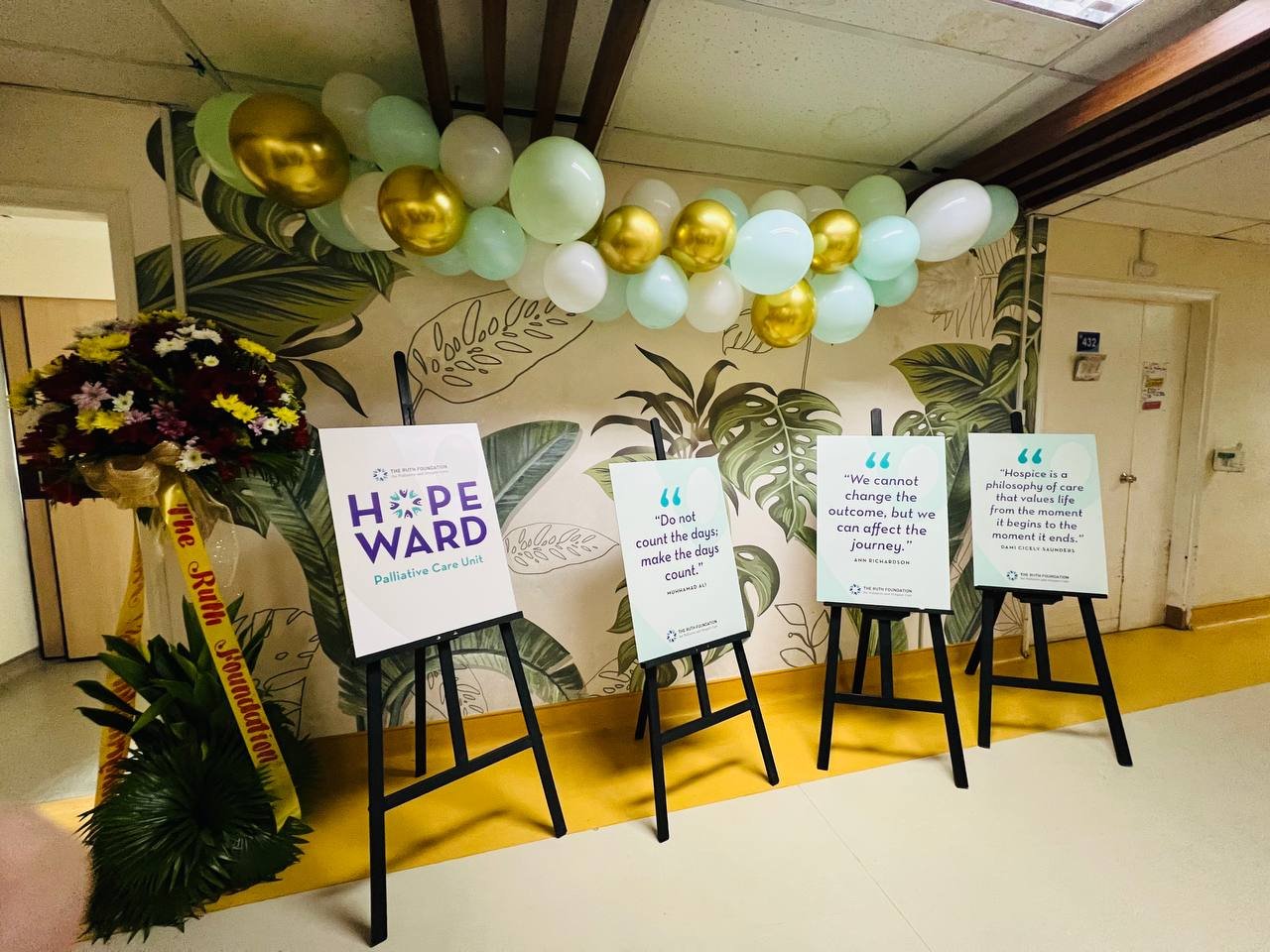
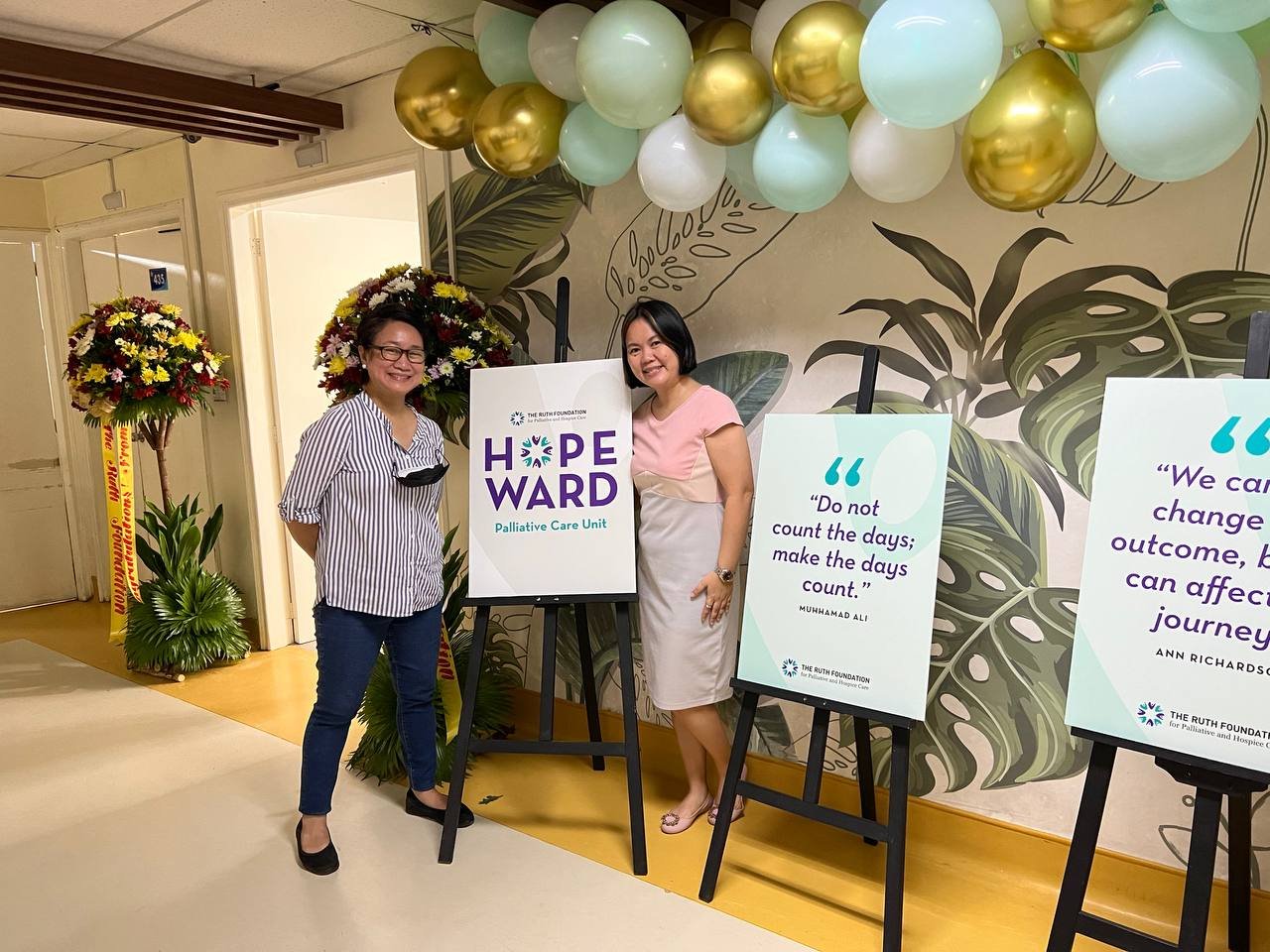
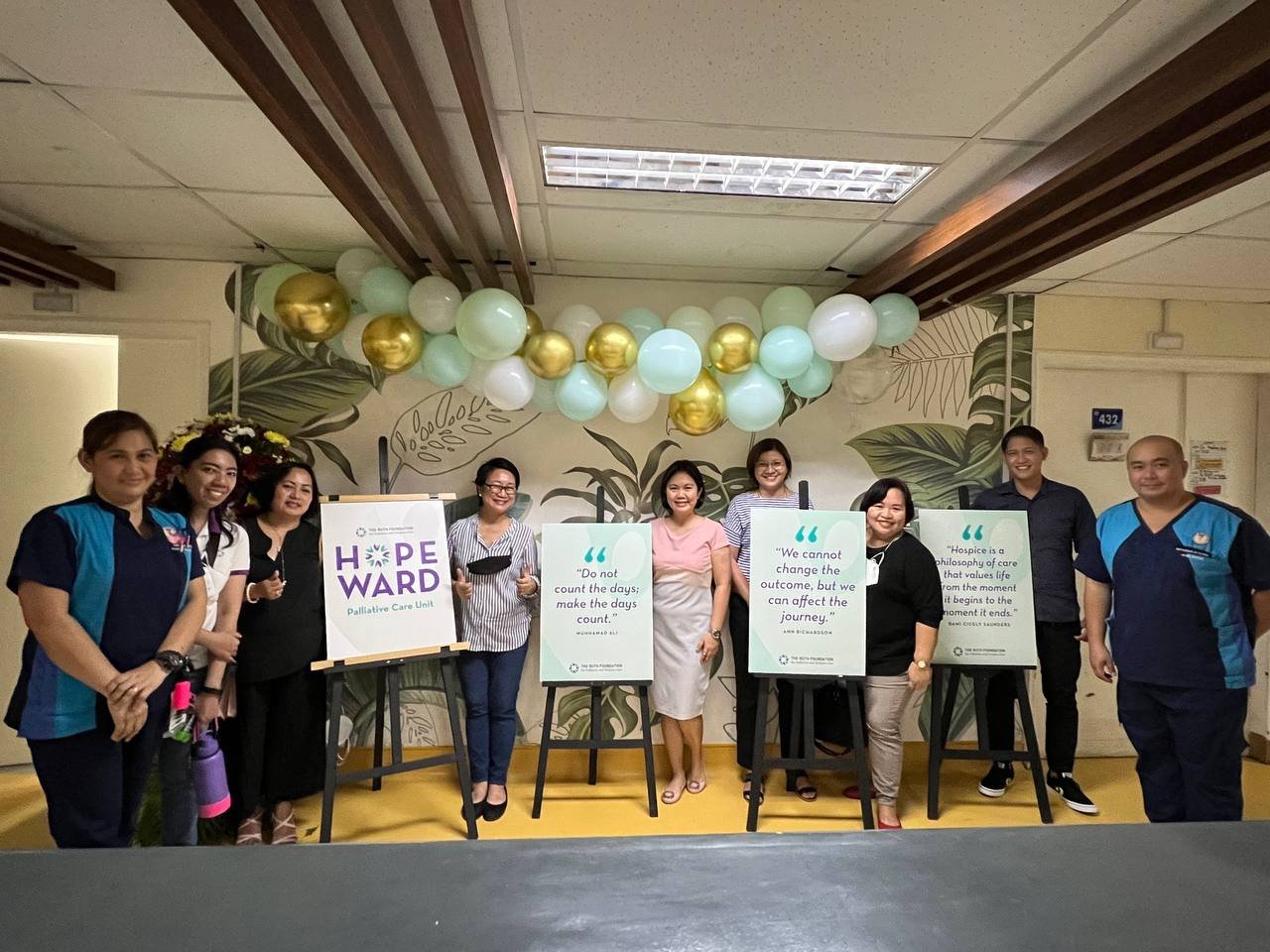
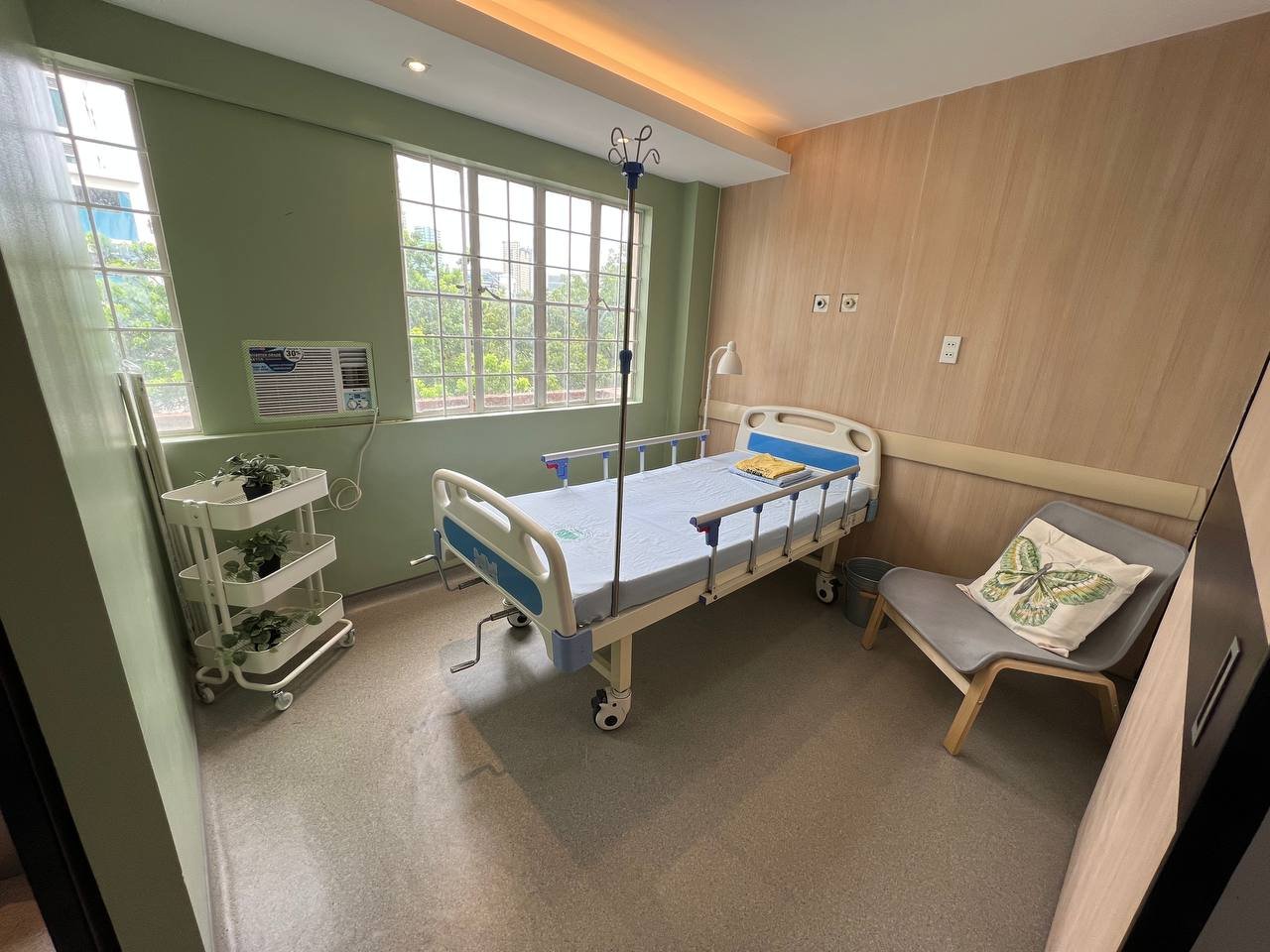
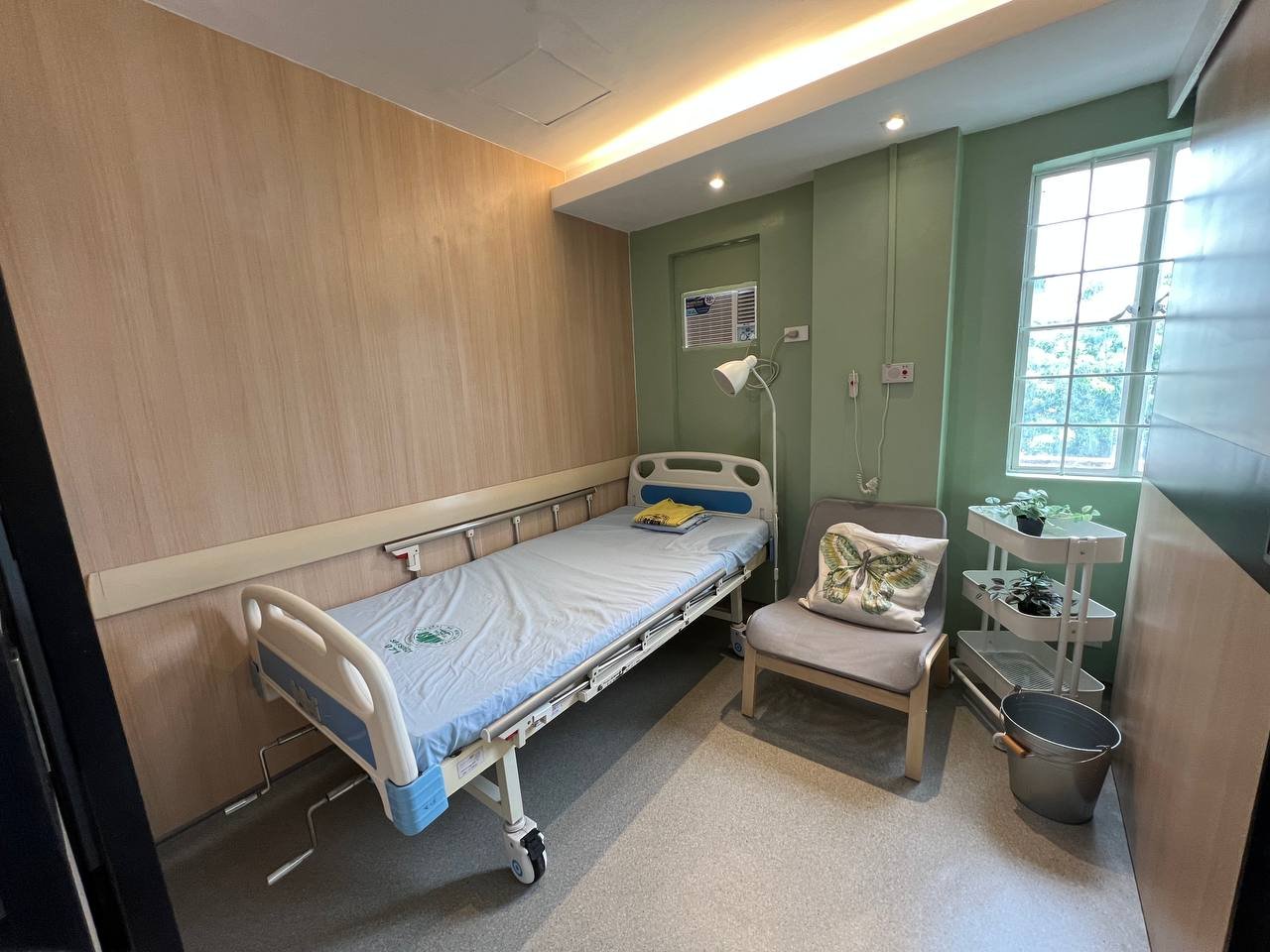
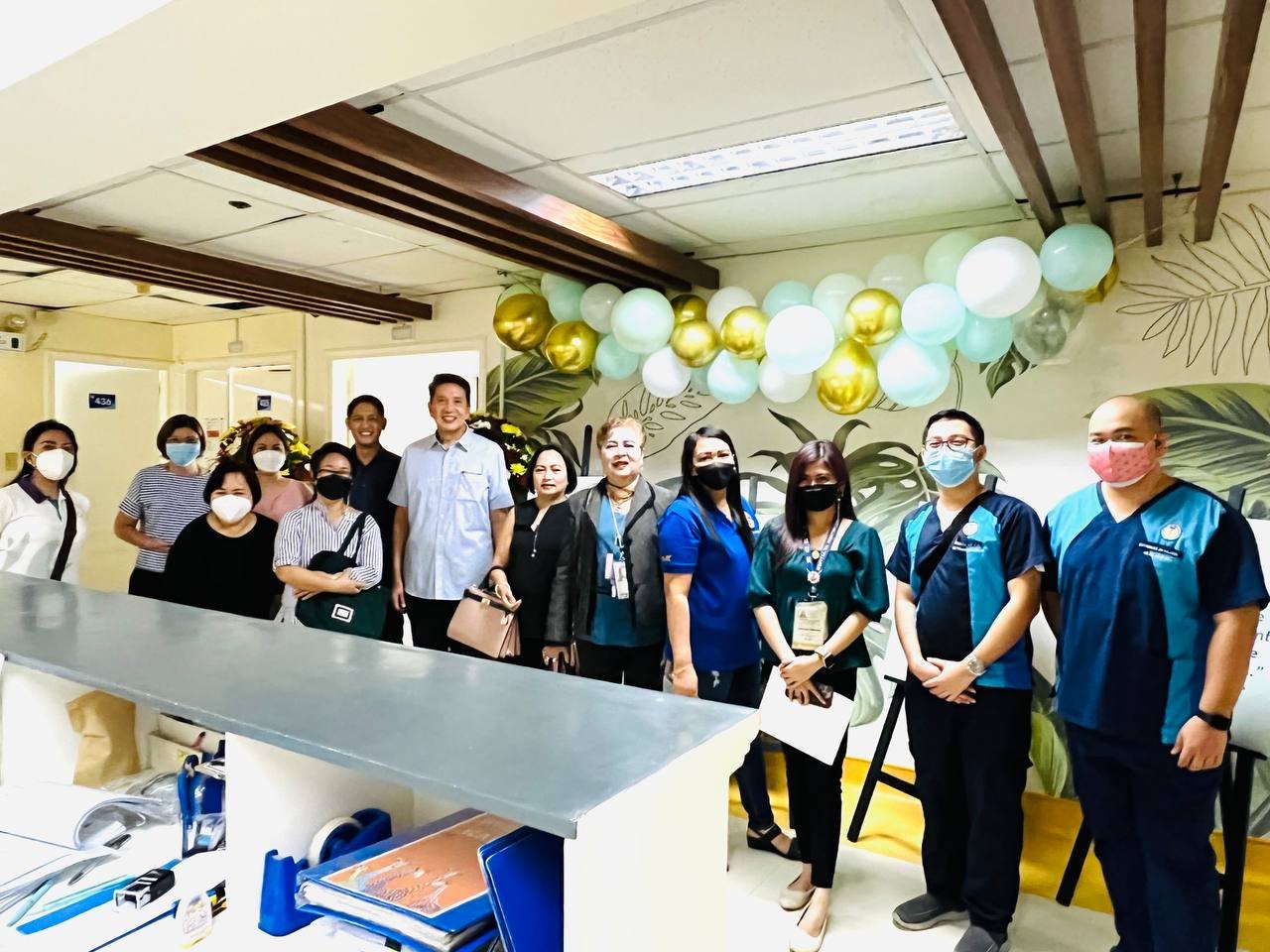
This June 30, 2022, a new ray of hope has been provided in Muntinlupa for patients needing hospice and palliative care.  The new Hope Ward promises to deliver a compassionate service that will hopefully become a benchmark for all city governments. With The Ruth Foundation’s linkages with Ospital ng Muntinlupa and the City of Muntinlupa as a whole, patients needing hospice and palliative care will have access to comprehensive care from the community level all the way to tertiary level management.


As Hospice and Palliative Care continue to be recognized as an important aspect of medical management, it is necessary to provide a seamless transition from the home to the hospital when it is needed. We may have heard stories of how difficult it is, for instance, to manage pain or dyspnea at home and have the patient admitted to the hospital for symptomatic treatment. With the Hope Ward, an expert team of doctors and nurses can work hand in hand to manage urgent symptoms.  A critical component that can also be addressed is education and counseling, as these stressful conditions not only produce physical manifestations. They require psycho-emotional support as well.


Congratulations to the City Government of Muntinlupa headed by Mayor Jaime Fresnedi and Congressman Ruffy Biazon, Ospital ng Muntinlupa Medical Director Atty./ Dr. Edwin Dimatatac, and The Ruth Foundation founder and CEO Dr. Rumalie Corvera. These public-private partnerships are what our country needs for the improvement of health care. And with the soon-to-open Pamantasan ng Lungsod ng Muntinlupa College of Medicine that will focus on Universal Health Care, hope springs eternal not only for the City of Muntinlupa. This promises to be a template that will be emulated by other cities in the country as well.